
DR Congo Ebola Outbreak Spreads in North Kivu as Cases Rise
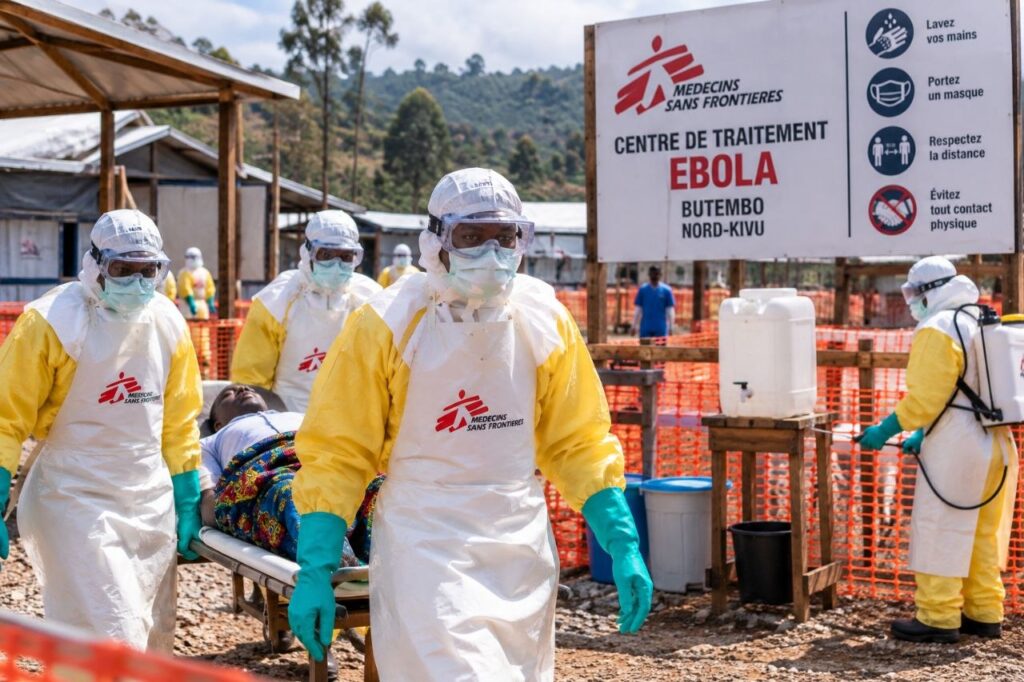
The ongoing seventeenth Ebola outbreak in the Democratic Republic of the Congo (DRC) continues to escalate, with health authorities and international organizations working to contain the spread as active transmission persists across eastern provinces.
As of October 6, 2026, national figures indicate a cumulative total of 8,728 confirmed cases and 4,205 confirmed deaths, reflecting a crude case fatality ratio of 48.2%. Caused by the Bundibugyo virus, the epidemic has expanded its geographic footprint into additional health zones, including the Alimbongo health zone in North Kivu.
The Crisis in North Kivu and Epicenters
While Ituri remains the primary epicentre with 6,480 cumulative confirmed cases and 2,989 deaths, North Kivu follows closely behind with 1,755 confirmed cases and 1,013 deaths. North Kivu currently records the highest provincial case fatality ratio at 57.7%, with heavily affected health zones including Beni, Katwa, and Butembo.
Relief organizations, such as Doctors Without Borders (MSF), have described the rapid spread in North Kivu as moving like a megafire as new hotspots multiply. Compounding the public health emergency, eastern DRC remains severely impacted by ongoing insecurity, population displacement, difficult terrain, and limited infrastructure, which continue to complicate response efforts and heighten humanitarian needs.
International Response and Aid
In response to the crisis, the DRC Minister of Health has urged technical and financial partners to mobilize support for the national response plan. Global partners have begun stepping up their assistance. French Minister for Europe and Foreign Affairs Jean-Noël Barrot announced an additional €7 million spending package during a visit to the Rwanpara Ebola Treatment Centre in Bunia.
Medical and humanitarian teams are coordinating closely with local health workers, while regional preparedness measures remain active across neighboring areas. Health officials emphasize that rapid recognition of cases, early testing, and optimized supportive care remain vital to reducing mortality and building community trust in public health interventions.