
Lithuania Deploys Army to Kaliningrad Border Amid Threats
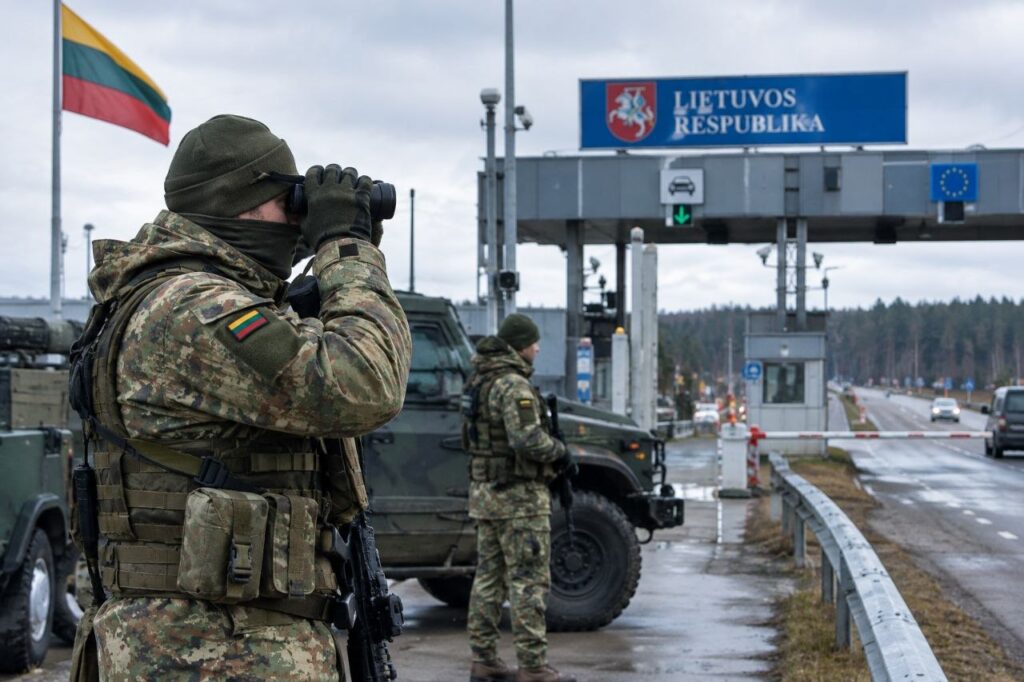
Lithuania is deploying troops to reinforce its frontier with the Russian exclave of Kaliningrad, officials announced, citing heightened concerns over potential military mobilization in Russia and broader hybrid security threats across the region.
Preventive Military Reinforcement
Defense Minister Robertas Kaunas confirmed that up to 100 soldiers will be deployed to support border guards along the Lithuanian-Russian border over the next two weeks. Kaunas stated that the decision serves as a preventive measure following signals indicating a potential increase in aggressive individuals seeking to cross the border due to possible mobilization efforts inside Russia.
Interior Minister Martynas Katelynas echoed these concerns, noting that the deployment is also a direct reaction to a high-profile security breach on the border between neighboring Latvia and Belarus earlier in the week. During that incident, masked and armed escorts reportedly attempted to push a group of migrants across the frontier into Latvia.
Despite the heightened state of readiness, Lithuanian officials emphasized that the immediate situation along the Kaliningrad border remains calm. Authorities reported zero illegal border crossings from neighboring Belarus over five consecutive days.
Regional Security Pressures and Hybrid Threats
The deployment comes amid a climate of growing anxiety among NATO’s eastern flank nations regarding Russian military activities and ongoing hybrid operations. Lithuania recently updated its civilian evacuation plans and faced multiple airspace and border security challenges.
Earlier disruptions at Vilnius airport involved unidentified objects resembling balloons, which officials described as part of an ongoing pattern of hybrid provocations. Additionally, NATO fighter jets recently intercepted a drone entering Lithuanian airspace from the direction of Belarus, a close ally of Moscow.
While NATO military leadership has maintained that the alliance does not currently see an imminent conventional military threat of attack, officials acknowledge a significant uptick in regional airspace violations, drone incidents, and border pressure in recent weeks and months.