A groundbreaking study published in the scientific journal Nature has uncovered a novel mechanism behind systemic lupus erythematosus (SLE), revealing that errors in RNA splicing create abnormal peptides that trigger immune responses. The research opens a fresh paradigm in understanding autoimmune diseases, moving beyond traditional models of immune system dysregulation.
The collaborative study was conducted by researchers joining forces from institutions including the University of Washington. To investigate cellular behaviors, the team analyzed freshly drawn blood samples from adult lupus patients, healthy individuals, and patients with rheumatoid arthritis serving as disease controls.
RNA Splicing Errors Create Foreign-Like Neoantigens
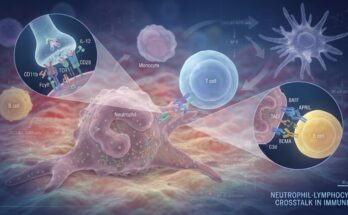
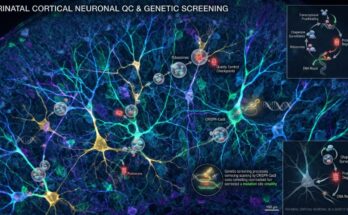
Researchers discovered that neutrophils in patients with lupus experienced unusual errors in their RNA. These mistakes led to faulty splicing mutations where sections of the RNA code were mistakenly jammed together. When mutated neutrophils attempted to read this jumbled genetic code, they produced tiny chains of amino acids known as peptides.
Because these peptides are unlike anything normally produced by human cells, they appear entirely foreign to the body. These splicing-derived neutrophil neoantigens effectively flash danger signals to the immune system. Cutting-edge laboratory tools utilized in the study confirmed that T cells and B cells recognize these abnormal neoantigens and react against them just as they would against infectious pathogens.
A New Paradigm for Autoimmune Disease
Researchers noted that this newly identified mechanism aligns closely with the clinical reality observed in patients with lupus, challenging older doctrines regarding the loss of immune tolerance. Instead of the body merely failing to recognize self-tissues, the immune system is actively reacting to entirely new abnormal peptides generated from within the body through aberrant mRNA splicing.
Despite the significant findings, study authors and medical experts caution that determining whether these novel amino acid sequences are directly responsible for the pathology of lupus requires additional investigation. Researchers emphasize that proving the true clinical significance of these neoantigens will ultimately depend on future clinical trials utilizing therapeutic agents capable of blocking their production.