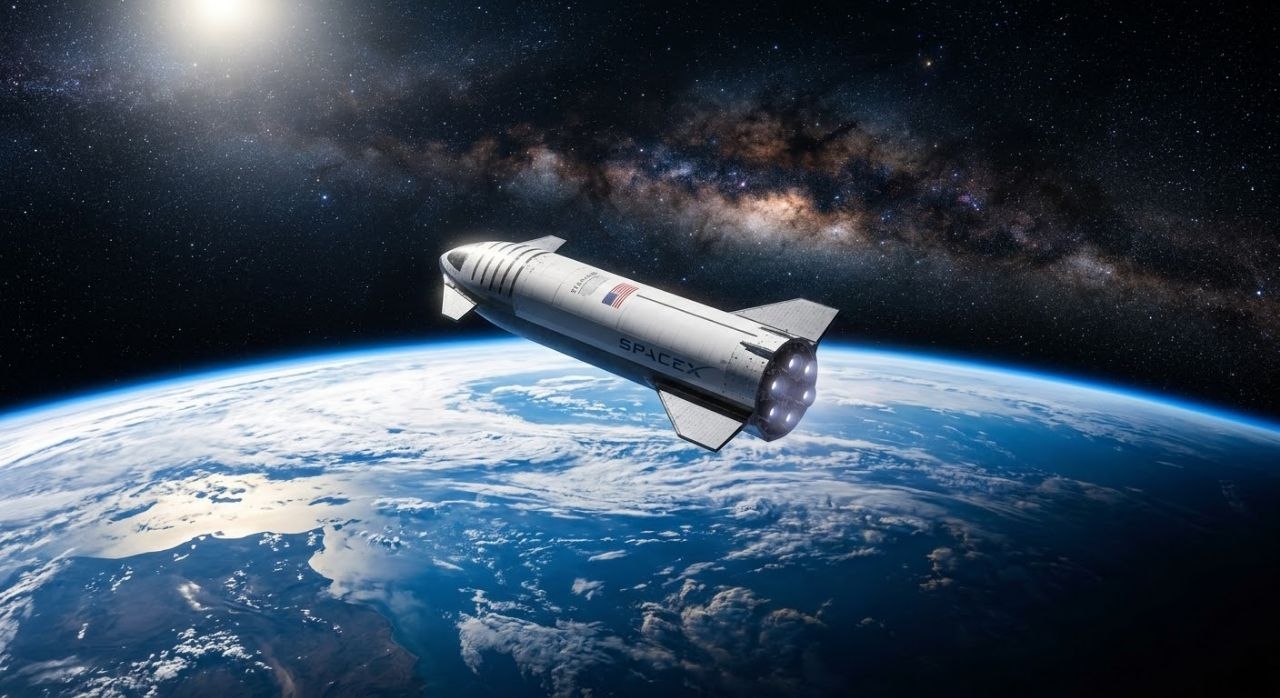
SpaceX has achieved a monumental milestone in aerospace engineering by successfully launching its massive Starship spacecraft on its first-ever orbital test flight. The unprecedented launch of the world’s most powerful megarocket marks a paradigm-shifting leap forward for commercial space travel, satellite deployment, and deep-space exploration.
Historic Milestone for Commercial Spaceflight
The monumental liftoff captivated audiences worldwide as the towering stainless-steel vehicle thundered into the sky. While mission controllers ultimately cut the flight short following unexpected engine telemetry issues, achieving a successful orbital trajectory on this developmental flight far exceeded the immediate expectations of many industry experts and sets a bold precedent for future tests.
Implications for NASA Moon Missions
Beyond commercial ambitions, the success of the SpaceX Starship launch carries immense weight for international space agencies. NASA has selected a modified version of Starship to serve as the Human Landing System for upcoming Artemis lunar missions. Engineers are closely monitoring how recent engine anomalies might impact the timeline for returning American astronauts to the surface of the Moon, making upcoming flight tests more critical than ever.
What Lies Ahead for the Starship Program
As SpaceX engineers analyze telemetry data from the maiden orbital flight, preparation is already underway for subsequent test vehicles at Starbase in Boca Chica, Texas. The iterative development philosophy utilized by the company ensures that every anomaly provides invaluable data to accelerate rapid prototyping, paving the way for fully reusable orbital flights and future missions to Mars.