
Samsung Profit Surges as AI Chip Demand Drives Record Growth
Samsung Electronics reported an extraordinary financial surge, posting a more than eightfold increase in operating profit that beat analyst expectations. The massive earnings leap underscores how the global artificial intelligence boom is reshaping the semiconductor industry, creating severe supply constraints and lifting prices for critical memory components.
As global technology companies race to build and expand infrastructure for advanced computing, the world’s largest memory-chip maker has emerged as a primary beneficiary. According to the company’s financial report, Samsung’s semiconductor division capitalized heavily on the high-value-added artificial intelligence market.
Surging Memory Prices and High-Bandwidth Demand
The explosive expansion of artificial intelligence data centers has drastically constrained global semiconductor supply. This supply crunch directly propelled memory prices upward, boosting profit margins across Samsung’s flagship chip business.
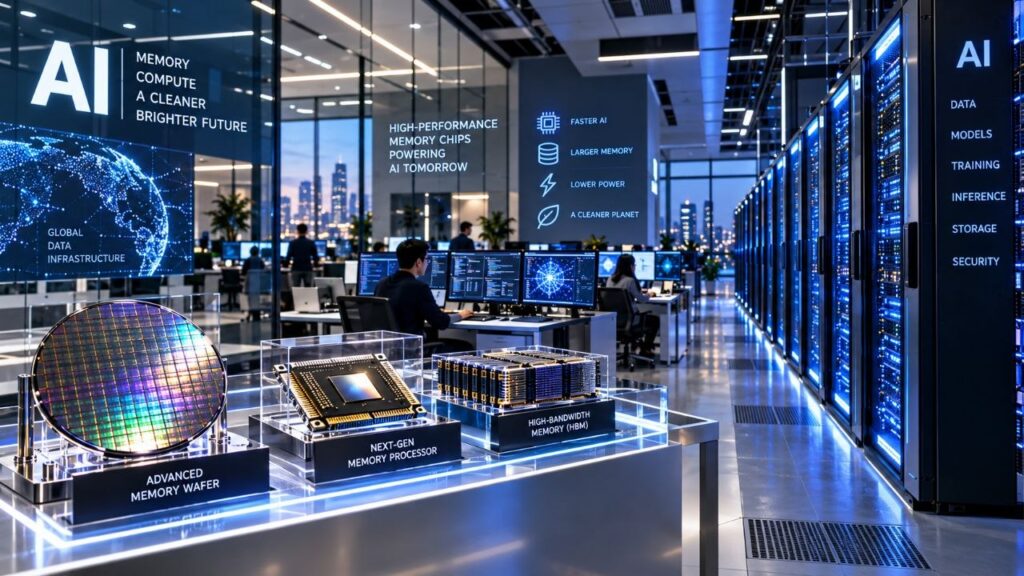
A core driver behind the record-breaking quarter is the rapid expansion of Samsung’s high-bandwidth memory, or HBM, business. HBM components serve as vital building blocks in the advanced processors utilized across modern AI data centers. By strategically addressing high-value-added market segments despite limited supply availability, Samsung’s memory business shattered previous quarterly sales records.
Industry-Wide Impact of the AI Computing Wave
Samsung’s exceptional financial results mirror broader trends across the global semiconductor manufacturing sector. Industry competitors have similarly reported surging revenues and record-breaking profits as worldwide spending on artificial intelligence computing and data center infrastructure accelerates.
The intense race for advanced processing power continues to elevate utilization rates and wafer shipments across major semiconductor firms. Beyond data centers, the tightening supply environment has influenced pricing dynamics for memory chips integrated into standard consumer electronics, including personal computers, smartphones, and gaming consoles.
Despite broader macroeconomic uncertainties, technology market analysts note that corporate demand for specialized artificial intelligence hardware shows little sign of slowing, keeping semiconductor manufacturers on an aggressive growth trajectory.