
Lithuania Deploys Troops to Kaliningrad Border After Latvia Breach
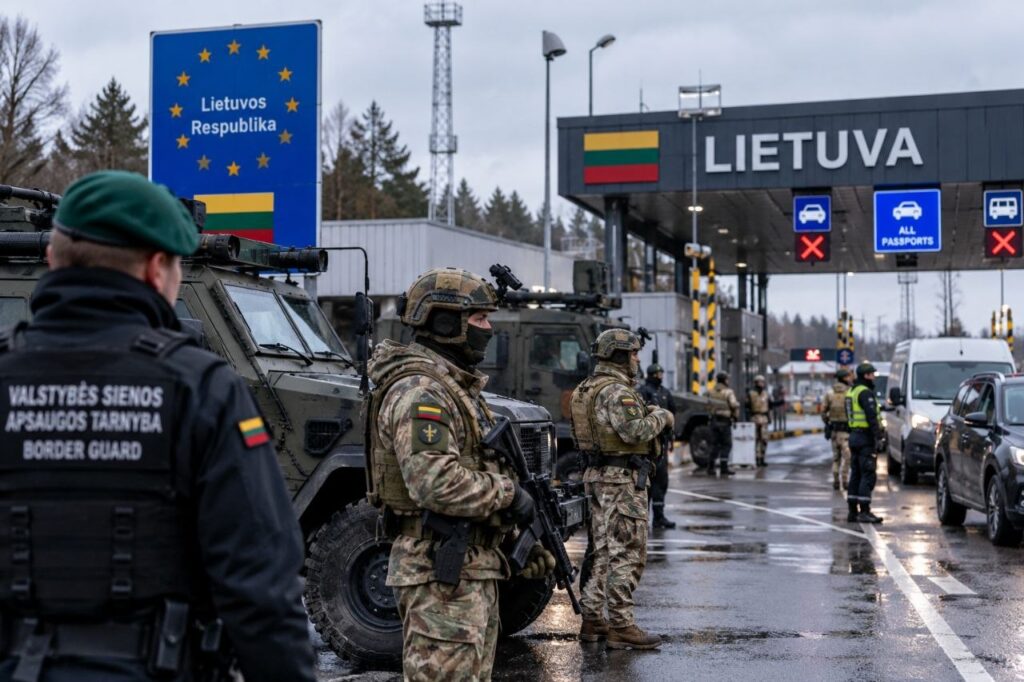
Lithuania is deploying approximately 100 soldiers to reinforce its frontier with Russia’s Kaliningrad exclave, officials announced. The decision follows recent security breaches on the border between Latvia and Belarus, as well as growing concerns over potential military mobilization in Russia.
Lithuanian Interior Minister Martynas Katelynas stated that he requested assistance from the Ministry of Defense to bolster border security in response to regional security developments. Defense Minister Robertas Kaunas confirmed that the military deployment was executed immediately as a preventive measure.
Preventive Security Measures and Regional Context
The military deployment comes in the wake of high-profile security incidents on the Latvia-Belarus border. On October 6, armed guards escorted groups of illegal migrants across the frontier, followed closely by a separate incident in which masked individuals crossed the border and stole equipment before retreating.
Although the situation along Lithuania’s immediate border with Kaliningrad has remained calm—with officials noting zero illegal crossings from neighboring areas over five consecutive days—authorities emphasize that the regional threat environment requires heightened vigilance. Defense Minister Kaunas noted that the deployment serves as a safeguard against potential surges of aggressive actors tied to possible mobilization signals within Russia.
Deployment Timeline and Official Response
The reinforced border security operation involves roughly 100 Lithuanian military personnel supporting national border guards over an initial two-week period. Officials from both the interior and defense ministries stressed that while no direct military threats have materialized on the Lithuanian-Russian border, the proximity of the Russian exclave necessitates proactive coordination between the Lithuanian Armed Forces and border protection services.
The move underscores ongoing security anxieties among Baltic states regarding hybrid threats and border vulnerabilities amid heightened geopolitical tensions in Eastern Europe.