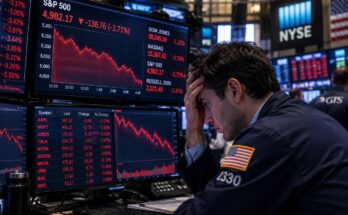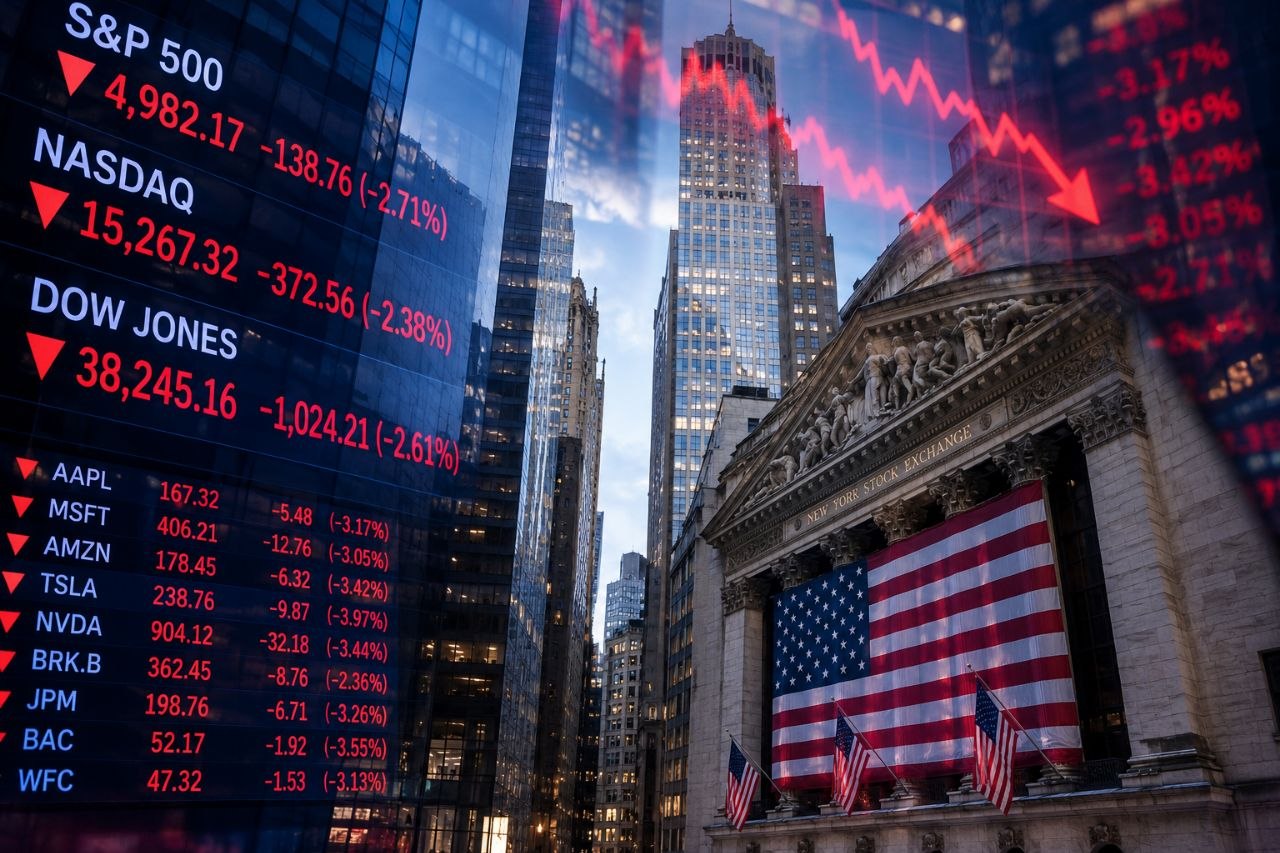
U.S. stock markets and major indexes, including the Nasdaq, recently experienced downward pressure as investors grappled with hotter-than-expected inflation data and rising bond yields. The recent market turbulence reflects growing anxiety across Wall Street regarding the Federal Reserve’s next monetary policy steps.
Hot Inflation Data Fuels Rate Hike Expectations
Market sentiment shifted following the release of the consumer price index (CPI) report, which revealed that U.S. consumer prices accelerated. A key measure of underlying inflation posted its largest increase in four months, prompting immediate reactions across global financial markets. The 0.4% rise in core CPI served as a bearish wake-up call for traders and analysts tracking economic indicators.
Following the inflation report, expectations for a Federal Reserve interest rate hike surged significantly. According to the CME FedWatch Tool, traders priced in an escalating probability of a central bank rate increase, jumping from roughly 67% prior to the data release to approximately 84% to 89% shortly thereafter. Major financial institutions, including Goldman Sachs and HSBC, adjusted their outlooks to anticipate potential tightening measures at upcoming policy meetings.
Market Volatility and Bond Yield Reactions
The prospect of tighter monetary policy triggered immediate turbulence across asset classes. The Dow Jones Industrial Average, S&P 500, and Nasdaq experienced consecutive days of losses as crude oil prices surged toward $100 per barrel and Treasury yields climbed. The 2-year Treasury yield experienced a sharp jump as traders aggressively priced in tighter interest rates, while other yields fluctuated in response to shifting economic momentum.
Citi analysts warned that persistent core inflation readings could act as a game-changer for financial markets, forcing central bankers to maintain aggressive policy stances even as commodities and energy markets fluctuate. Meanwhile, gold prices also slipped as strengthening rate-hike expectations bolstered the U.S. dollar and reduced the appeal of non-yielding assets.
Future Federal Reserve Outlook
As policymakers prepare for upcoming central bank meetings, financial markets remain highly sensitive to incoming economic reports. While some subsequent government data releases have occasionally eased immediate panic—with officials such as New York Fed President John Williams noting evolving perspectives on policy timing—analysts emphasize that inflation running above the Federal Reserve’s target keeps the door open for further tightening before the end of the year.
Traders continue to monitor incoming labor market reports, consumer spending metrics, and commodity prices to gauge whether the central bank will enact further policy adjustments or signal a temporary pause in upcoming sessions.