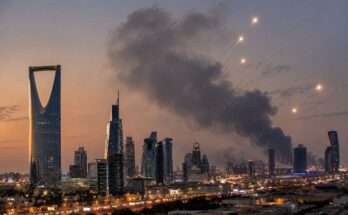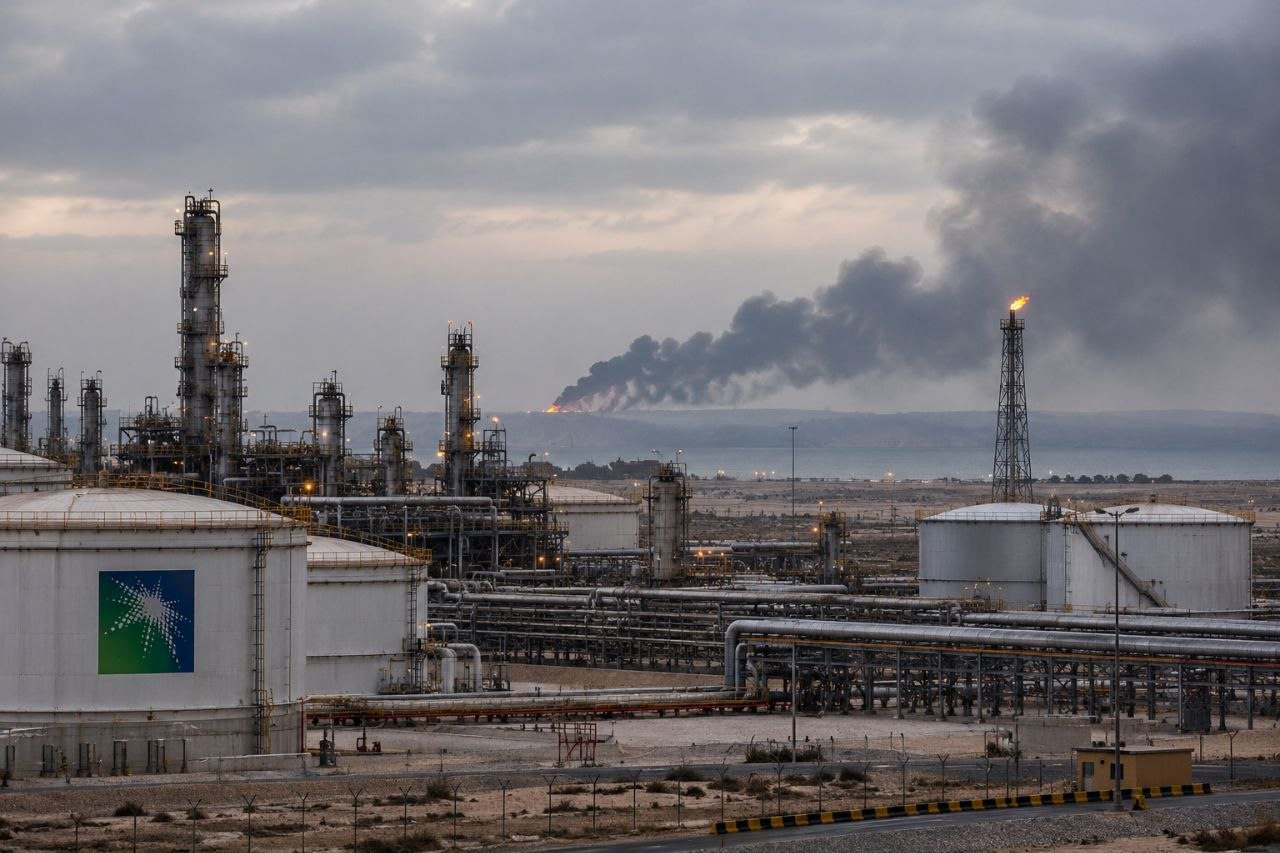
Yemen’s Houthi movement has escalated cross-border hostilities by launching strikes targeting critical infrastructure in Saudi Arabia, including a hit on an office belonging to state oil giant Saudi Aramco. The latest exchange marks a dangerous intensification of violence tied to the broader regional conflict involving Iran.
Saudi Aramco Facility Hit as Evacuation Warnings Issued
According to Saudi Arabia’s energy ministry, a recent strike caused a small fire at an Aramco building located in the eastern city of Dhahran. Authorities confirmed that the incident resulted in no injuries. The strike followed public warnings issued by the Iran-backed Houthis telling all employees and civilians near Saudi oil installations to evacuate, declaring the energy sites to be legitimate military targets.
The flare-up coincides with persistent attacks on Saudi territory, which recently included ballistic missile strikes aimed at King Khalid Airport in Riyadh. The Saudi cabinet, chaired by Crown Prince Mohammed bin Salman, asserted that the Houthi movement would bear the full consequences of the deadly attacks on the kingdom.
Retaliatory Saudi-Led Coalition Strikes in Yemen
In response to the mounting drone and missile assaults, the Saudi-led coalition fighting in Yemen has launched counter-offensives against Houthi-controlled territory. Coalition airstrikes have targeted Houthi energy terminals, fuel reserves, and fuel depots situated near Yemen’s capital, Sanaa.
Coalition spokesperson Turki al-Maliki stated that military forces took specific precautions to avoid collateral damage to civilians during the operations. The renewed violence follows a counteroffensive backed by Saudi Arabia known as the “Dawn of Yemen,” which was launched after Houthi forces seized strategic territory along the Red Sea coast.
Regional Context and Security Concerns
The intensifying military exchanges between the Houthis and Saudi Arabia reflect a widening spillover from the broader regional conflict involving the United States, Israel, and Iran. While Saudi officials have sought to maintain economic stability and calm public fears, the continuous disruption of commercial flights and threats against critical energy infrastructure have heightened security concerns across the Gulf region.
Authorities and international observers are closely monitoring the situation as both sides trade retaliatory airstrikes with no immediate indication of a de-escalation in fighting.