China’s automotive landscape is experiencing a profound shift as domestic vehicle demand continues to contract significantly, even while international shipments experience unprecedented growth. According to recent retail figures released by the China Passenger Car Association (CPCA), domestic passenger car sales have faced persistent downward pressure, highlighting a challenging environment for both local and legacy foreign brands.
Domestic Sales Slump Persists
The contraction in the domestic market has proven persistent over consecutive months. Data covering mid-2026 revealed that domestic passenger sales fell roughly 20 percent year-on-year to approximately 1.47 million units, marking a continuous streak of monthly declines for the world’s largest automotive market. Earlier in the year, retail figures similarly reflected shrinking demand, with April retail sales dropping 6.8 percent year-on-year for new energy vehicles (NEVs) and the broader passenger car market plunging 21.5 percent.
The prolonged domestic slump has intensified competitive pressures across the industry. Traditional foreign automakers, including legacy European and Detroit brands, have watched their market shares erode as local consumers increasingly favor domestic electric vehicle options and competitive pricing strategies. Premium European marques, such as BMW, Mercedes-Benz, and Audi, have faced mounting pressure, resulting in significant retail price cuts and lower annual sales volumes across their Chinese lineups.
Surging Exports Offset Local Declines
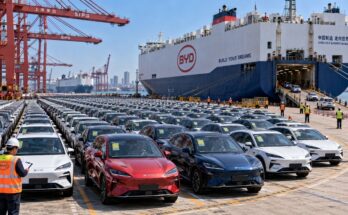
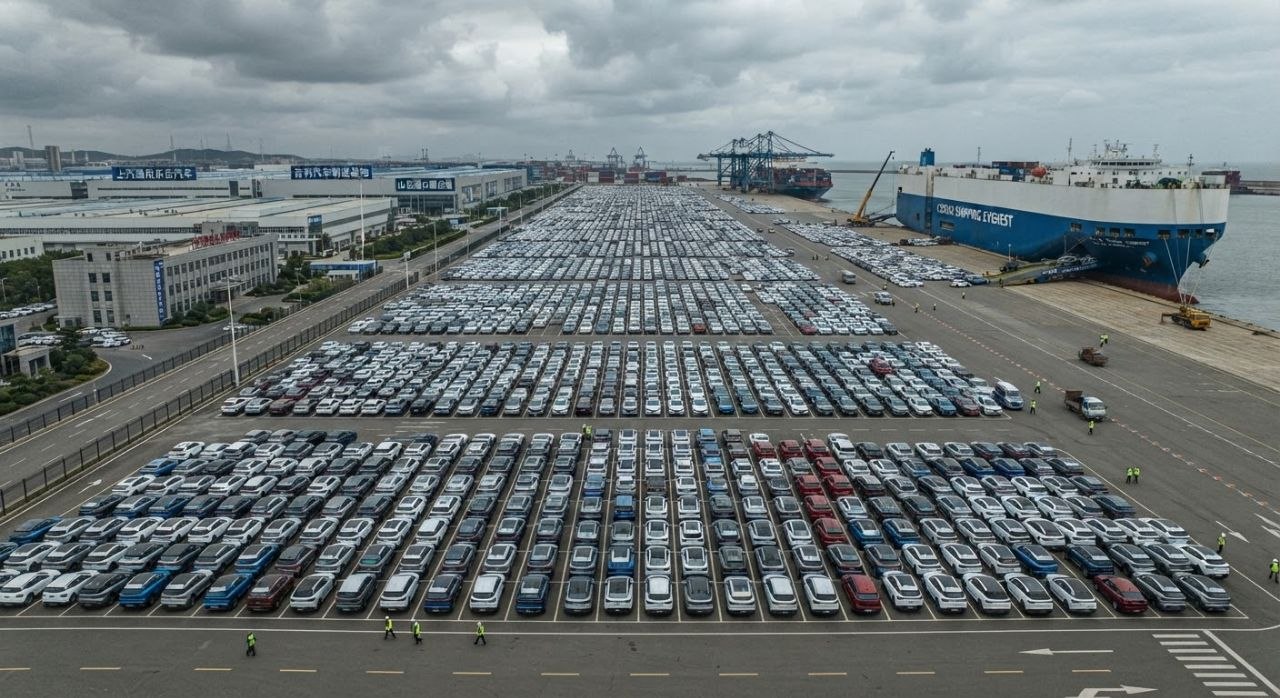
While local showrooms face mounting headwinds, Chinese automotive exports are experiencing a massive boom. CPCA data indicates that car exports climbed nearly 90 percent year-on-year, reaching close to 1 million vehicles in a single month. New energy vehicles have driven a substantial portion of this international expansion, accounting for more than 50 percent of total auto exports in recent periods.
This divergence between a contracting domestic market and soaring global shipments is forcing major global legacy automakers—including Toyota, Volkswagen, and various American brands—to rethink their global lineups, production strategies, and future model offerings. As domestic penetration for alternative energy vehicles continues to break records, touching highs above 60 percent, foreign brands must navigate a rapidly evolving automotive ecosystem where traditional advantages no longer guarantee local market stability.