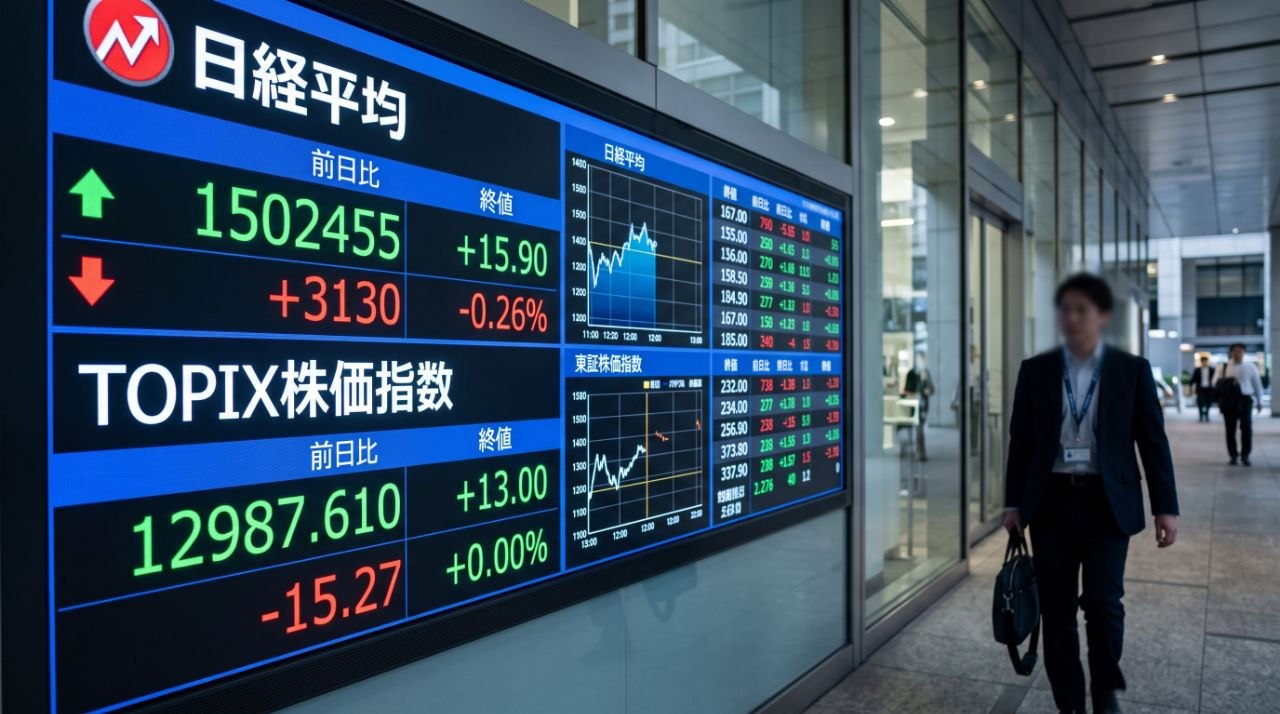
Asian shares mostly declined in cautious trading following a Wall Street session where artificial-intelligence-related equities bounced back. While tech sectors and AI stocks led a recovery in the United States, broader market sentiment remained shaky as investors weighed persistent energy market pressures and elevated oil prices.
Wall Street Rebound and Market Mixed Sentiment
The recent trading activity on Wall Street saw artificial intelligence and tech-related companies stage a noticeable rebound, helping lift major U.S. indices even as other sectors experienced choppy conditions. Analysts noted that while enthusiasm for AI developers and semiconductor-linked equities provided a strong upward catalyst, broader economic headwinds—particularly concerning inflation and energy costs—kept traders on edge.
In currency markets, the U.S. dollar traded narrowly against the Japanese yen at around 158.45 yen, while the euro remained steady at approximately $1.1225. Market participants are also keeping a close eye on upcoming central bank decisions, with the Federal Reserve widely anticipated to keep interest rates steady at its upcoming meeting amid ongoing economic balancing acts.
Energy Pressures and High Oil Prices
A primary driver of market caution remains the energy sector, where crude oil prices have stayed elevated due to geopolitical conflicts and infrastructure disruptions. Benchmark U.S. crude recently hovered around $103.50 a barrel, while international standard Brent crude traded near $109.47 a barrel.
Uncertainty regarding ongoing conflicts, including regional tensions involving Iran and the Strait of Hormuz alongside continuous attacks on energy infrastructure in Eastern Europe, has severely impacted physical oil deliveries. Elevated shipping and insurance costs, coupled with expectations that supply disruptions could persist into 2027, have driven up longer-dated oil futures and left energy markets vulnerable to prolonged volatility.
Asian Markets Respond to Cautious Global Cues
Reflecting the cautious sentiment across global exchanges, major Asian stock benchmarks mostly drifted lower on Tuesday. Investors in Tokyo and other regional financial hubs digested the mixed lead from U.S. markets, balancing optimism over the technology sector’s resilience against the macroeconomic risks posed by sustained high energy costs and inflation challenges.
As policymakers and market participants evaluate the trajectory of global supply chains and interest rates, analysts expect trading to remain volatile until clearer resolutions emerge regarding international energy corridors and broader economic stability.