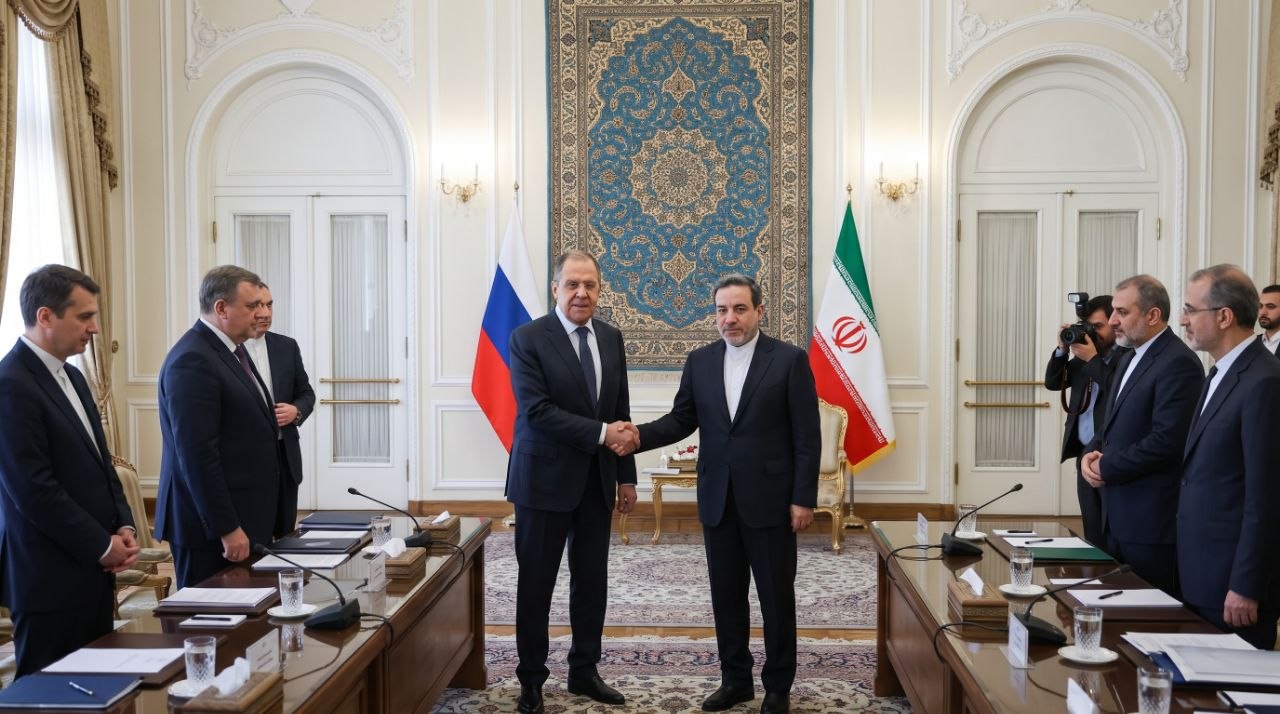
Russian Foreign Minister Sergey Lavrov traveled to Tehran on October 19, 2026, for high-level diplomatic talks with senior Iranian officials, marking his first visit to the country since the outbreak of the Middle East war. The visit underscored deepening bilateral cooperation as Moscow attempts to position itself as a mediator in the ongoing conflict amid stalled negotiations between Tehran and Washington.
Deepening Strategic Cooperation
During the visit, Lavrov met with his Iranian counterpart, Seyed Abbas Araghchi, as well as Iranian President Masoud Pezeshkian. Araghchi described the bilateral relationship as strategic, emphasizing during a joint press conference that the two nations have never worked as closely together as they do now. Iranian officials noted that ties have taken on new dimensions following the implementation of their Comprehensive Strategic Partnership Agreement.
Iranian foreign ministry spokesperson Esmaeil Baghaei explained that the visit formed part of regular, ongoing consultations designed to monitor existing bilateral agreements and coordinate international stances. Moscow and Tehran have maintained increasingly close political, military, and economic ties, a partnership that expanded significantly following Russia’s full-scale invasion of Ukraine in February 2022 and the subsequent imposition of extensive Western sanctions on both nations.
Mediation Efforts and Regional Stability
A central focus of Lavrov’s discussions in Tehran involved regional security and Moscow’s mediation efforts. Lavrov stated that Russia wants to prevent the return of a large-scale war in the Middle East, while Russian President Vladimir Putin has offered mediation to help ease regional tensions. The diplomatic push comes as Washington and Tehran remain deadlocked in negotiations, and Iranian officials review their military capabilities and the prospect of renewed fighting with the United States.
The diplomatic outreach in Tehran followed Lavrov’s participation in the 9th Joint Ministerial Meeting of the Russia-Gulf Cooperation Council (GCC) Strategic Dialogue in Manama, Bahrain, on October 18. Meanwhile, U.S. President Donald Trump addressed international dynamics, welcoming what he characterized as limited support for Tehran from global powers such as Russia and China. Despite shifting international pressures, Moscow pledged during the Tehran talks to maintain its ongoing political and economic cooperation with Iran.