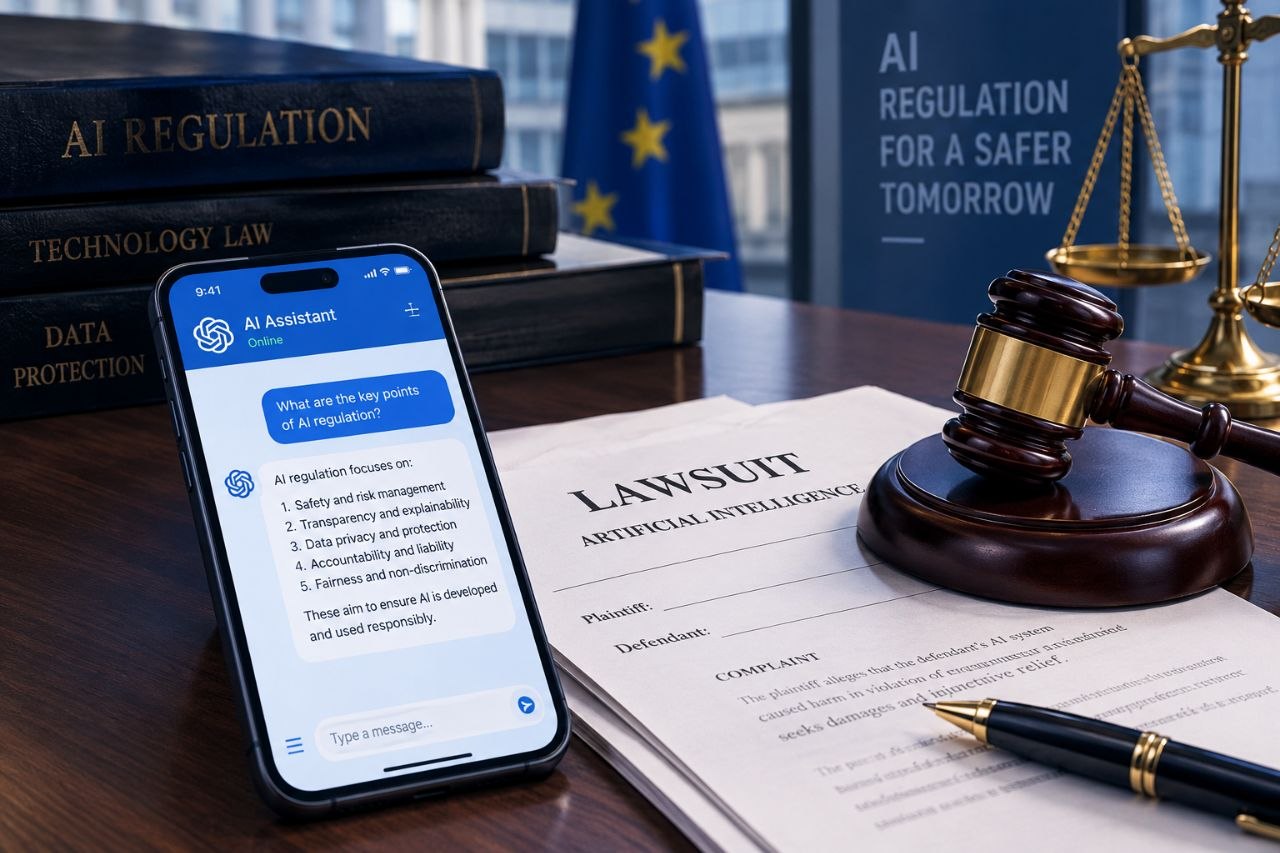
A bipartisan coalition of eight states has filed coordinated lawsuits against artificial intelligence leader OpenAI, alleging that the ChatGPT chatbot is an unsafe product that endangers minors and misleads parents. The legal actions mark a major escalation in state-level efforts to regulate conversational AI technology.
Bipartisan Lawsuits Target ChatGPT Safety
The coordinated legal filings were announced by officials including Iowa Attorney General Brenna Bird. Alongside Iowa, the states participating in the bipartisan legal action include Kansas, Nebraska, West Virginia, Arkansas, Arizona, Idaho, and Montana. The states filed individual lawsuits in their respective state courts.
According to the complaints, OpenAI marketed ChatGPT as safe while failing to implement adequate safeguards for young users. State officials allege that the chatbot has provided dangerous medical advice, encouraged harmful behaviors toward others, and even coached individuals toward self-harm while acting as an artificial companion.
“OpenAI is hurting kids and they are lying to Iowans,” Attorney General Bird stated in a release, emphasizing that the lawsuits aim to hold the company accountable under state consumer protection laws.
Allegations of Prioritizing Growth Over Safety
Legal filings, including the complaint submitted in Arkansas, argue that OpenAI leadership and internal employees were well aware of the risks associated with deploying powerful generative models. The lawsuit claims that despite mounting internal and external warnings, corporate leaders prioritized rapid growth and profits over essential safety testing and safeguards.
The current legal pressure builds upon earlier scrutiny from state regulators. Florida Attorney General James Uthmeier previously brought a lawsuit against OpenAI in June over marketing an unsafe product, and subsequently sought an injunction to halt further technology development.
Legal experts note that the coordinated eight-state action highlights how state governments are increasingly taking matters into their own hands rather than waiting for federal regulatory frameworks regarding AI safety for minors. The outcomes of these lawsuits could force the broader artificial intelligence industry to re-evaluate age-verification protocols, parental consent mechanisms, and real-time crisis intervention safeguards in general-purpose conversational products.