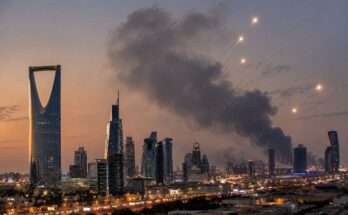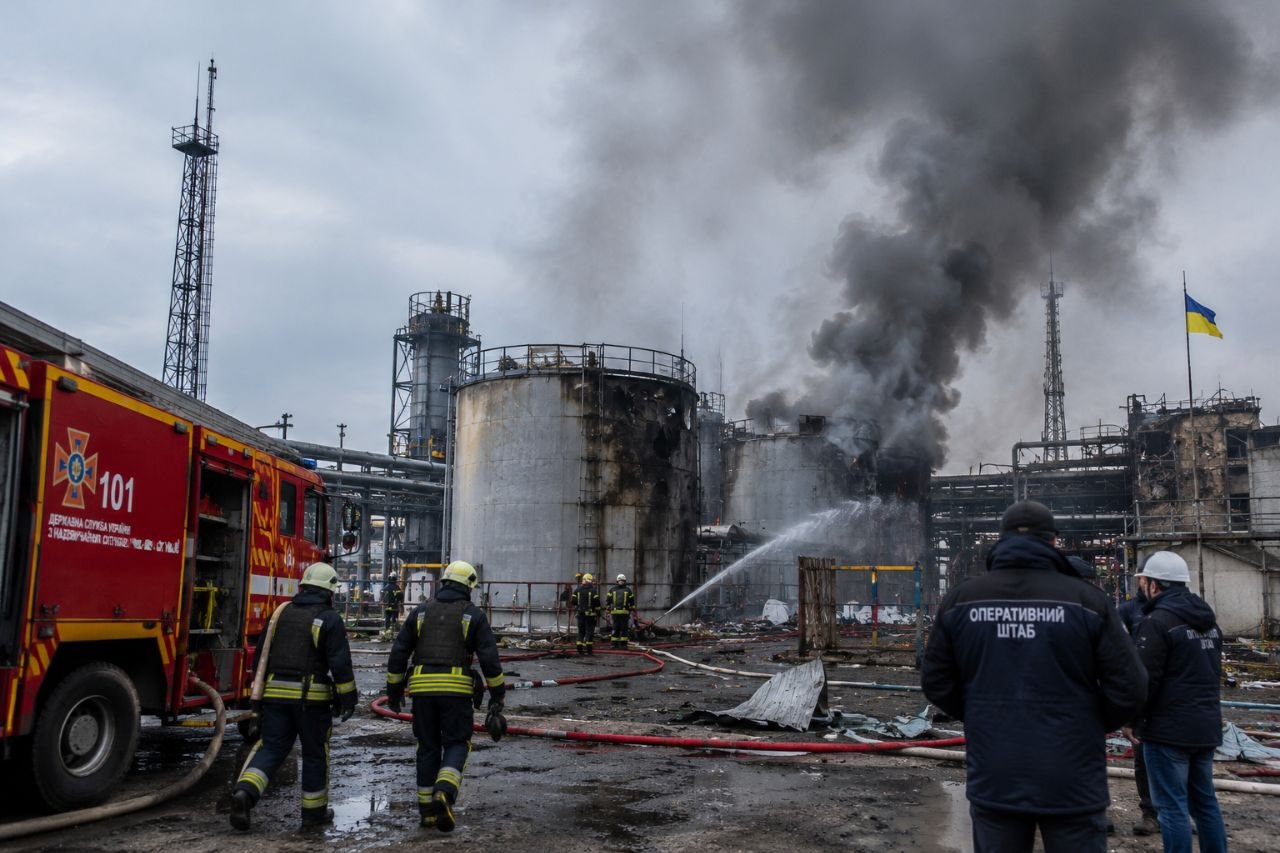
A Russian ballistic missile struck a vital power plant in Kyiv on Tuesday evening, resulting in casualties and raising immediate questions about the viability of recent diplomatic agreements. Ukrainian President Volodymyr Zelenskyy confirmed the attack, noting that the strike on Combined Heat and Power Plant No. 4 (CHPP-4)—a crucial source of electricity and heating for the capital—occurred without advance warning from Western allies.
According to reports, the Tuesday evening strike killed at least two people and left around 20 others wounded. The assault also sparked fires and damaged nearby residential buildings, sending emergency services rushing to various impact sites across the capital of approximately three million people. Domestic defense systems reportedly detected the incoming ballistic missiles only as they closed in on the city.
Impact on the Announced Energy Ceasefire
The latest attack comes mere days after U.S. President Donald Trump announced an energy ceasefire between Moscow and Kyiv, which was intended to immediately halt targeting against critical infrastructure facilities. The sudden escalation has cast severe doubt on the fragile agreement. Ukrainian officials noted that despite supporting a pause in energy facility strikes during Russia’s ongoing full-scale invasion, attacks have persisted.
Earlier in the week, similar strikes targeted thermal infrastructure in other regions, including the CHP-5 plant in Kharkiv. President Zelenskyy stated that Ukraine was caught off guard by the initial ceasefire announcement and emphasized that Kyiv continues to rely heavily on Western—particularly U.S.—intelligence to detect incoming attacks, though warning systems failed to provide advanced notice ahead of Tuesday’s ballistic missile launch.
Intelligence Gaps and Future Risks
The failure of detection systems to provide timely alerts has heightened security concerns among Ukrainian leadership. Intelligence sources on the ground have indicated that Russian forces may be preparing additional ballistic missile launches, signaling that critical energy targets across the country remain under severe threat as colder weather approaches.
Emergency crews continue working around the clock to extinguish fires and clear debris from residential and infrastructure sites impacted by the recent barrages. Meanwhile, international observers and local authorities are assessing the broader diplomatic and humanitarian fallout as the newly declared energy ceasefire faces mounting strain.