Russia has detained a Japanese journalist on suspicion of espionage, accusing the reporter of gathering sensitive information regarding the country’s military and defense capabilities. The arrest marks a significant new low in diplomatic relations between Moscow and Tokyo, which have already deteriorated sharply over the ongoing war in Ukraine and long-standing territorial disputes.
Arrest and Espionage Allegations
Russian authorities announced on Tuesday that security forces had detained a Japanese national in the far eastern Sakhalin region. Russian Foreign Ministry spokesperson Maria Zakharova and the Federal Security Service (FSB) identified the reporter as Yuki Imai, who worked for the regional newspaper Hokkaido Shimbun based on Japan’s northern island. According to state-linked reports, Imai was arrested in Yuzhno-Sakhalinsk on Sakhalin Island and subsequently transferred to Moscow to face a criminal investigation.
The FSB accused Tokyo of utilizing media correspondents to gather intelligence on Russian defense capabilities in the Far East. Russian officials cited Japan’s broader foreign policies and concerns over Tokyo’s security posture as contributing factors to the security action.
Tokyo Lodges Formal Protest
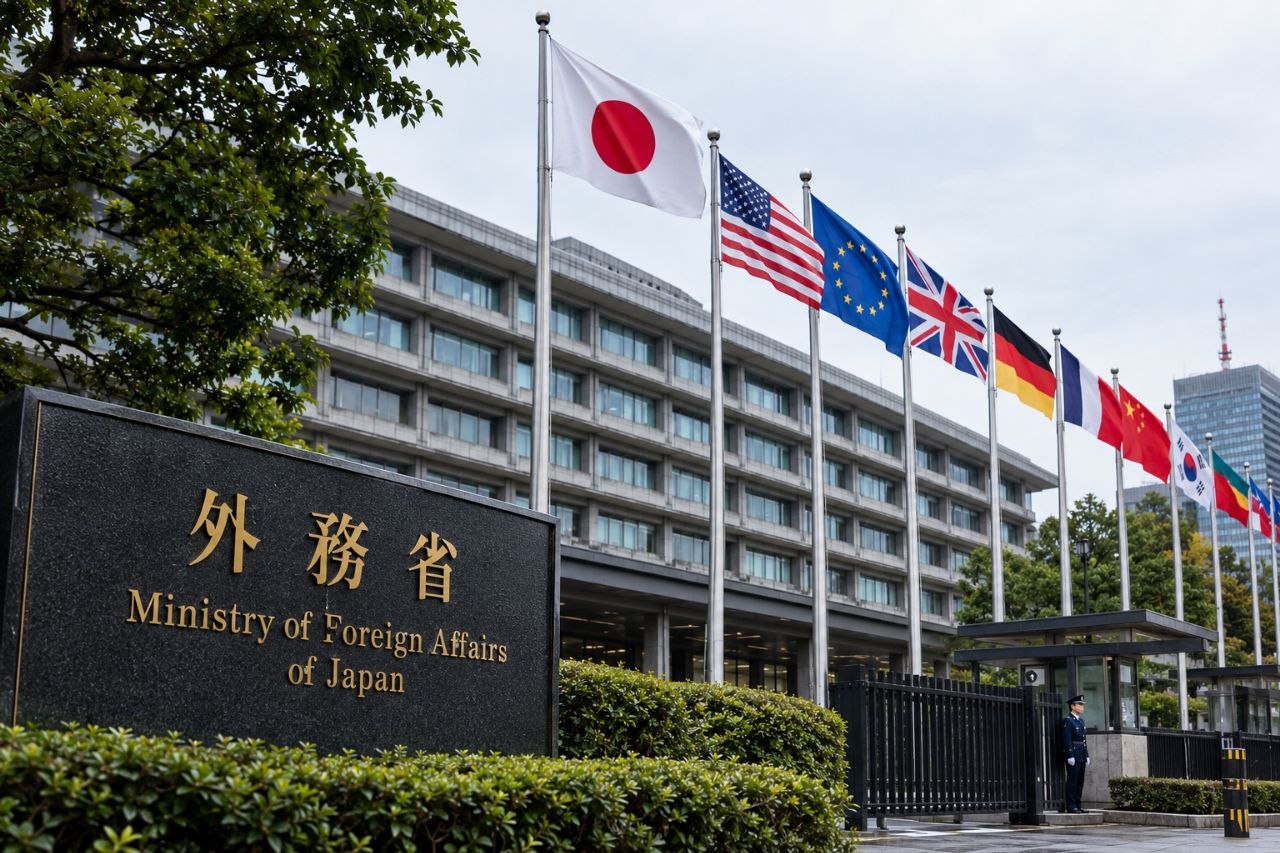
The Japanese government responded swiftly to the detention, condemning the move and demanding immediate transparency from Moscow. Japan’s Foreign Ministry announced that a senior official summoned Russian Ambassador Nikolay Stanislavovich Nozdrev to lodge a strong formal protest.
Tokyo criticized Moscow for unilaterally issuing public statements regarding the detained citizen without providing a proper explanation or direct communication to Japanese authorities. The Japanese government urged Russian officials to ensure “humane, fair, and impartial” treatment for the journalist while pressing for his immediate release and clarification surrounding the criminal case.
Deepening Regional Tensions
The arrest compounds ongoing tensions between Russia and Japan, which have yet to sign a formal peace treaty concluding World War II. The primary diplomatic obstacle remains a bitter territorial dispute over the Kuril Islands—known in Japan as the Northern Territories—a Pacific archipelago controlled by Moscow but claimed by Tokyo.
Bilateral friction has intensified further in recent months, exacerbated by geopolitical alignments regarding the conflict in Ukraine and an August visit to Iturup Island in the Kuril chain by Russian President Vladimir Putin, which drew sharp condemnation from Tokyo. Analysts note that the detention of a accredited media member further darkens the diplomatic atmosphere between the two neighboring nations.