Europe’s leading automotive heavyweights—Volkswagen, Stellantis, and Renault—are increasingly joining forces and overhauling their business models to confront mounting competitive pressure from Chinese electric vehicle (EV) manufacturers. Together, the trio accounts for more than 60 percent of vehicle production across Europe and is now lobbying for stringent regional manufacturing requirements to protect domestic manufacturing.
Pushing for Regional Content Thresholds
To safeguard domestic industrial capacity against surging imports and expanding foreign entrants, the trio of automakers is advocating for a 70 percent local-content threshold. Under this proposed framework, only automobiles built predominantly with European-sourced components would qualify for regional sales incentives and government subsidies. Industry analysts note that leveraging their combined manufacturing footprint allows these legacy giants to exert stronger influence over regulatory policy as market dynamics shift.
Rethinking Electric Vehicle Strategies
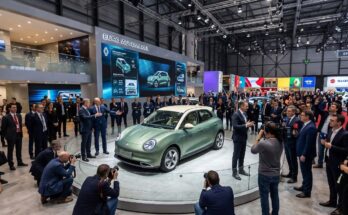
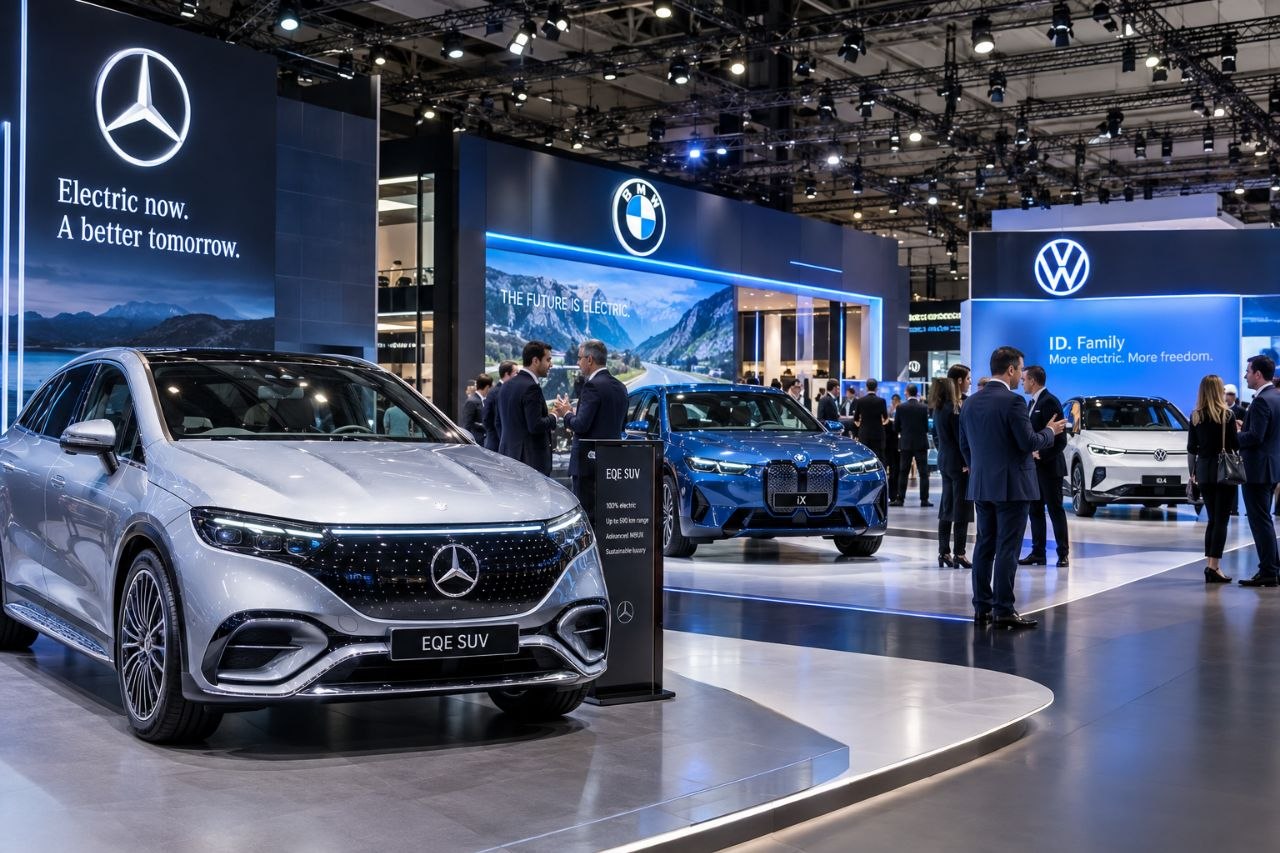
At recent industry showcases such as the Paris auto show, executives from both Volkswagen and Stellantis demonstrated renewed confidence in their electric vehicle pipelines while openly acknowledging the need to adapt. Rather than ignoring foreign disruptors, Europe’s legacy auto giants are actively studying and adopting manufacturing efficiencies and technological lessons from Chinese rivals.
At the same time, companies like Stellantis are navigating complex global partnerships. While forming strategic collaborations and joint ventures—such as working with China’s Leapmotor to accelerate affordable electrification overseas—Stellantis has maintained distinct regional boundaries, separating its domestic North American strategies from its international joint ventures. Meanwhile, Chinese EV makers continue to scale rapidly on the global stage, with firms like Leapmotor reporting substantial year-over-year sales surges that challenge traditional mid-tier global automakers.
Adapting to a Transforming European Market
While the overall passenger car market in Europe has remained relatively stagnant in volume, the underlying market share distribution among original equipment manufacturers (OEMs) is undergoing a visible structural transformation. Volkswagen has successfully defended its leading position through steady growth supported by brand diversification, while other established giants face pressure to optimize platform sharing, cut supply chain emissions, and accelerate affordable EV development.
As competition intensifies, the future trajectory of Europe’s automotive sector will heavily depend on how effectively these industrial titans can merge traditional manufacturing scale with agile, cost-effective electrification strategies.