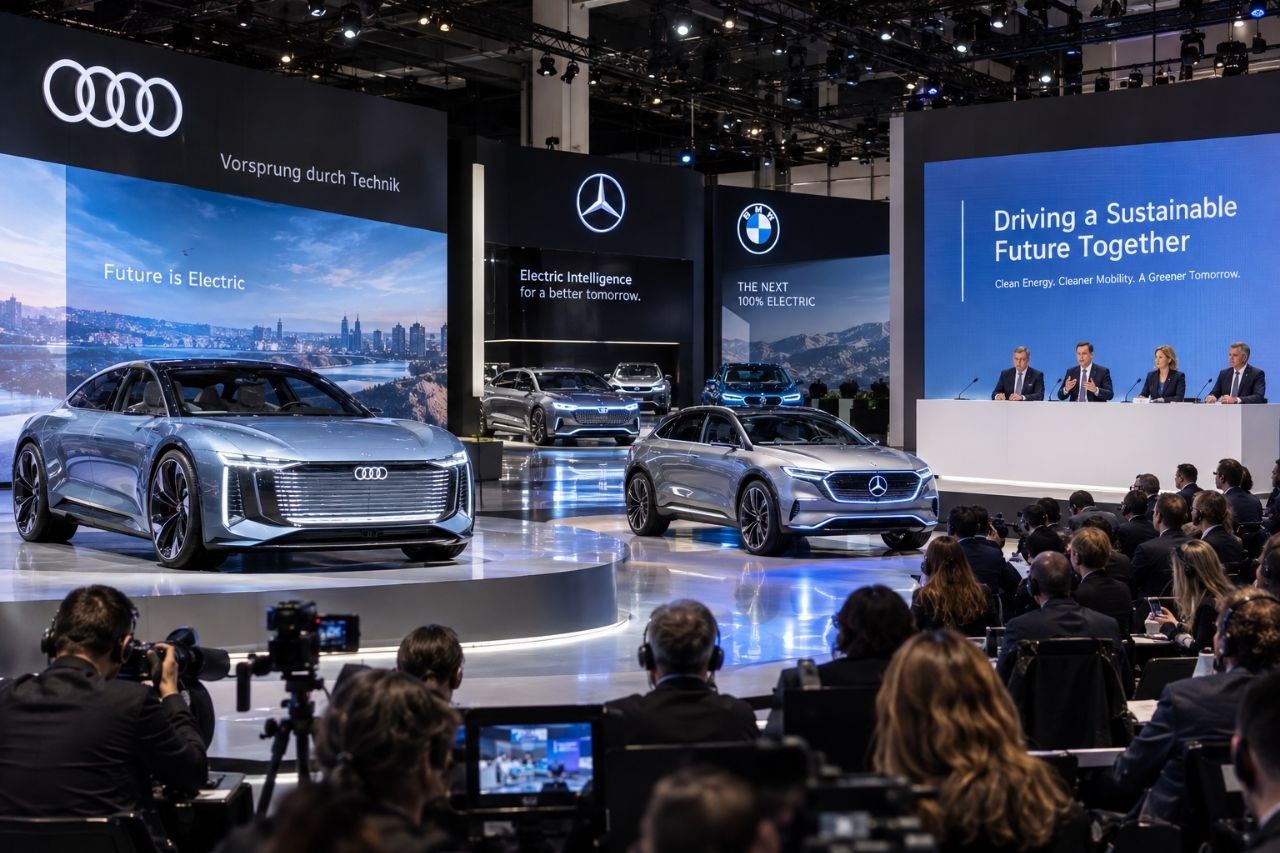
Europe’s leading mass-market carmakers are facing severe operational and competitive strains, according to industry leaders speaking at a major automotive showcase. Executives from Volkswagen, Stellantis, and Renault have sounded the alarm over mounting pressures from fast-growing Chinese electric vehicle manufacturers, thin profit margins, and strict regulatory frameworks.
Speaking alongside the Paris Motor Show, Volkswagen Chief Executive Oliver Blume warned that the region’s high-volume manufacturers are operating under enormous pressure. Together, Volkswagen, Stellantis, and Renault account for more than 60 percent of European car production, making them heavily exposed to shifts in the mass-market segment where sales volumes traditionally carry narrow margins.
Chinese Competition and the Push for Affordable EVs
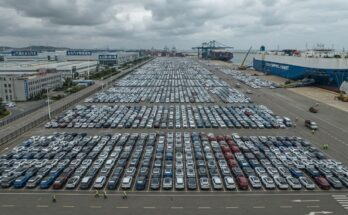
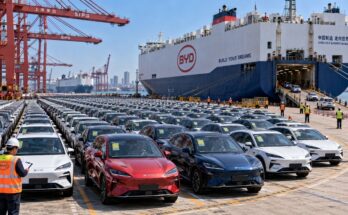
The urgency among legacy European automakers comes as Chinese rivals rapidly expand their market footprint across the continent. Companies like BYD are scaling up competitive electric vehicle offerings, prompting European legacy manufacturers to accelerate their own affordable EV strategies.
Stellantis is leaning heavily into cost-competitive development through strategic collaborations, such as its partnership with China’s Leapmotor. By combining accessible Chinese technology with established European manufacturing infrastructure, Stellantis aims to close the cost gap with international rivals. The company recently showcased several concept cars, including a modern iteration of the classic Citroën 2 CV designed on a city-car platform expected to enter production near Naples by 2028.
Calls for Regulatory Flexibility and Policy Support
To survive the shifting landscape, top automotive executives are urging European policymakers to introduce more flexible regulations and robust incentives to protect local manufacturing. In a joint paper submitted to the European Commission, Volkswagen, Renault, and Stellantis proposed a “fleet booster” initiative under upcoming EU regulatory guidelines.
Additionally, leadership figures have stressed the critical need for regional supply chain infrastructure. Stellantis Chief Executive Antonio Filosa emphasized that Europe must rapidly develop more domestic battery factories to support local vehicle assembly and reduce external dependencies. As sales of battery-electric vehicles continue to evolve—accounting for over 21 percent of the European car market by mid-2026—legacy automakers must successfully execute high-scale, affordable production without sacrificing profitability or quality.