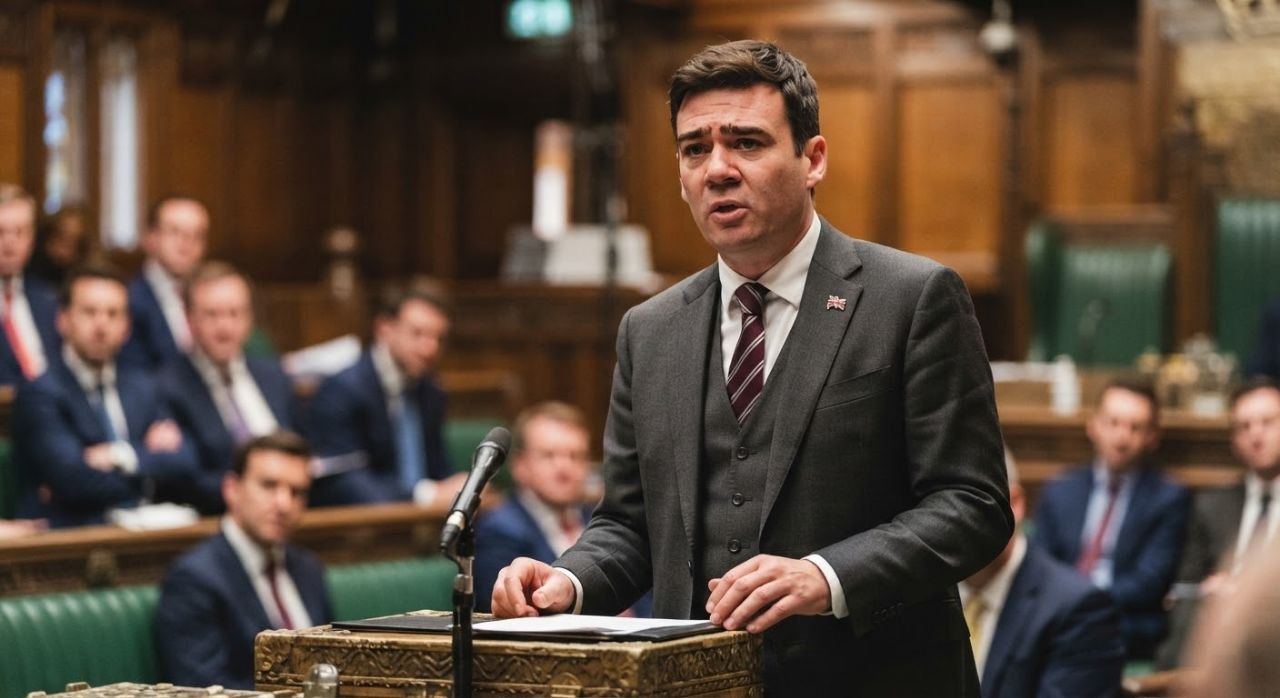
U.K. Prime Minister Andy Burnham has stated that it is “clear” Russia interfered with Britain’s 2016 referendum to leave the European Union. Marking what is believed to be the first time a sitting British prime minister has publicly acknowledged Moscow’s tampering in the historic vote, the remarks have ignited a sharp political backlash and arrived alongside a broader government push for closer ties with Brussels.
Revelations on Russian Electoral Interference
Speaking on “The Rest is Politics” podcast, Burnham revealed that after taking office in July, he directly asked government advisers whether Russia had interfered in the Brexit referendum. According to the prime minister, he received a clear confirmation that tampering had indeed occurred.
Burnham criticized past British approaches to foreign meddling, arguing that the U.K. had remained too much “on the back foot” and failed to adequately inform the public about ongoing overseas attempts to disrupt democratic processes. He also noted that he discussed similar disruptive activities linked to Russia with German Chancellor Friedrich Merz during a visit to Berlin.
While Downing Street maintained that Russian interference took place, government officials offered reassurance regarding the ultimate outcome of the vote. Foreign Office Minister Stephen Doughty told broadcasters that while Moscow has repeatedly attempted to undermine British democratic processes over a sustained period, those attempts ultimately did not succeed in altering the referendum’s outcome. Doughty emphasized that “the result is the result.”
Political Fallout and Pushback
The prime minister’s declaration drew swift and severe condemnation from prominent pro-Brexit figures. Reform UK Leader Nigel Farage, who played a leading role in the 2016 leave campaign, strongly rejected the accusations. Labeling the prime minister’s claims “outrageous,” Farage went as far as calling Burnham a liar and argued that there was no valid reason to believe outside interference influenced the public.
Conservative leader Kemi Badenoch also weighed in on broader political debates surrounding Europe, cautioning against attempts to reopen the divisive Brexit debate.
Push for Closer EU Ties
The revelations regarding foreign interference coincided with a major parliamentary statement from Burnham concerning the U.K.’s future relationship with the European Union. Addressing the House of Commons, Burnham argued that it was time to confront the reality that Brexit has “done more harm than good” and declared that rejecting closer ties with the bloc would be a “dereliction of duty.”
Burnham confirmed plans to pursue a serious dialogue and renegotiate aspects of the post-Brexit trade deal during an upcoming UK-EU summit in Brussels. The prime minister maintained that a renewed partnership could help drive economic growth and improve illegal immigration enforcement, though the dual announcements cement a contentious political landscape as his administration navigates foreign security threats and post-Brexit policy shifts.