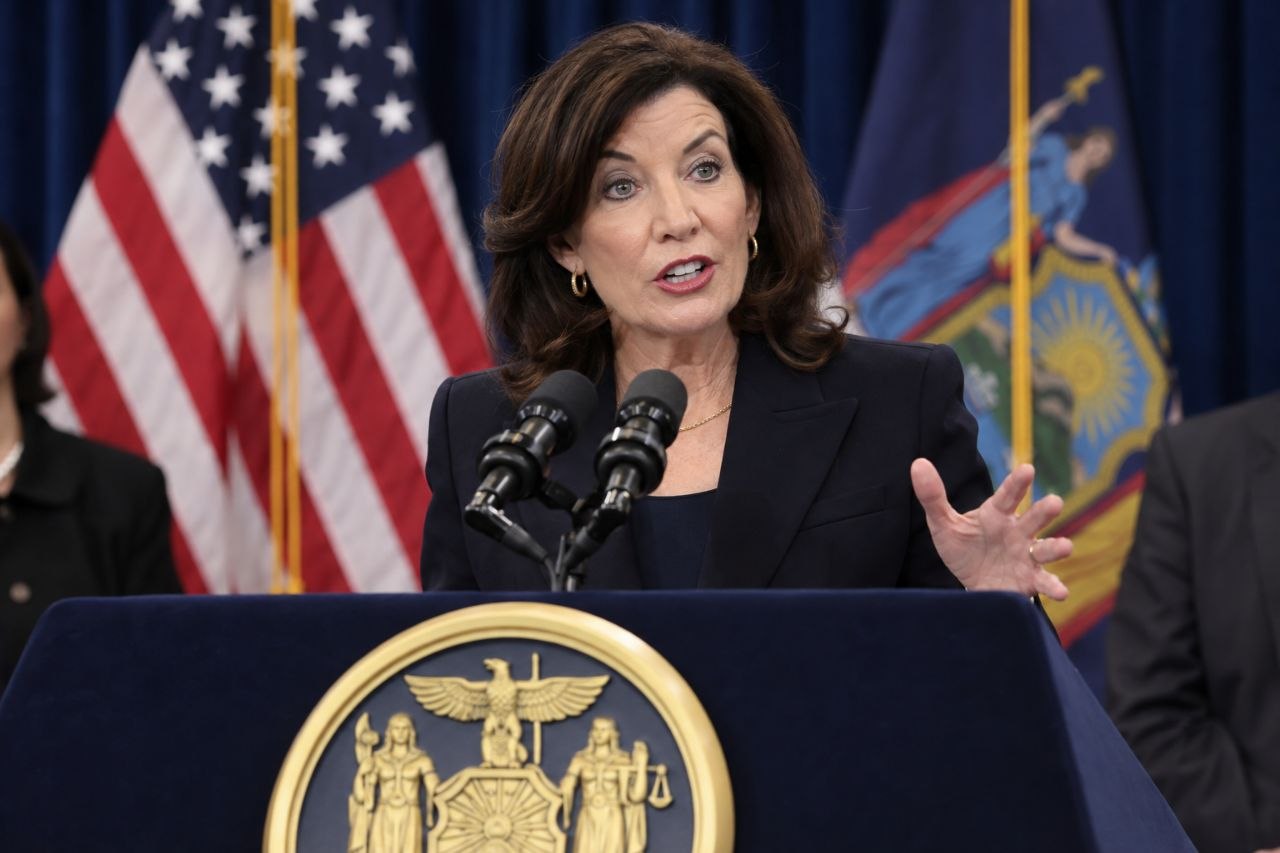
New York Governor Kathy Hochul has declared a state disaster emergency in response to a growing number of measles infections across rural communities and neighboring states. The executive order, issued on Monday, is designed to ramp up the state’s immunization efforts and streamline access to testing and vaccines during what public health experts note is part of the nation’s worst measles outbreak in over thirty years.
Expanding Vaccination Access Under Emergency Orders
The emergency declaration directly addresses an influx of infections impacting under-immunized rural communities. According to data released by the governor’s office, New York recorded 108 total measles cases through October 3, which includes 101 cases across the state outside of New York City and seven cases within the city itself. Ninety-two of those statewide cases have emerged since July 15.
To combat the spread of the highly contagious disease, Hochul’s executive order broadens the pool of authorized healthcare personnel permitted to administer vaccines. Under the emergency measures, non-physicians—including paramedics, advanced EMS providers, pharmacists, and midwives—are now legally empowered to distribute measles vaccinations and provide testing support. State officials emphasized that the move aims to support community partners and healthcare providers working to protect residents from vaccine-preventable illnesses.
Federal Assistance and Interagency Coordination
As New York moves to contain its regional outbreak, federal health leaders have stepped forward to offer assistance. Governor Hochul spoke with U.S. Health and Human Services Secretary Robert F. Kennedy Jr. to discuss the mounting health crisis, prompting federal health officials to pledge active support for New York’s response efforts.
Following the discussion, Kennedy connected Governor Hochul with Centers for Disease Control and Prevention (CDC) Director Erica Schwartz. Speaking at a policy conference in Washington, Schwartz confirmed that federal agencies remain on standby to assist state health authorities as they navigate the outbreak, which has also severely impacted neighboring Pennsylvania in the largest single-state eruption seen since the early 1990s.
State health officials continue to monitor infection data closely while urging residents to stay up to date on routine immunizations to prevent further community transmission.