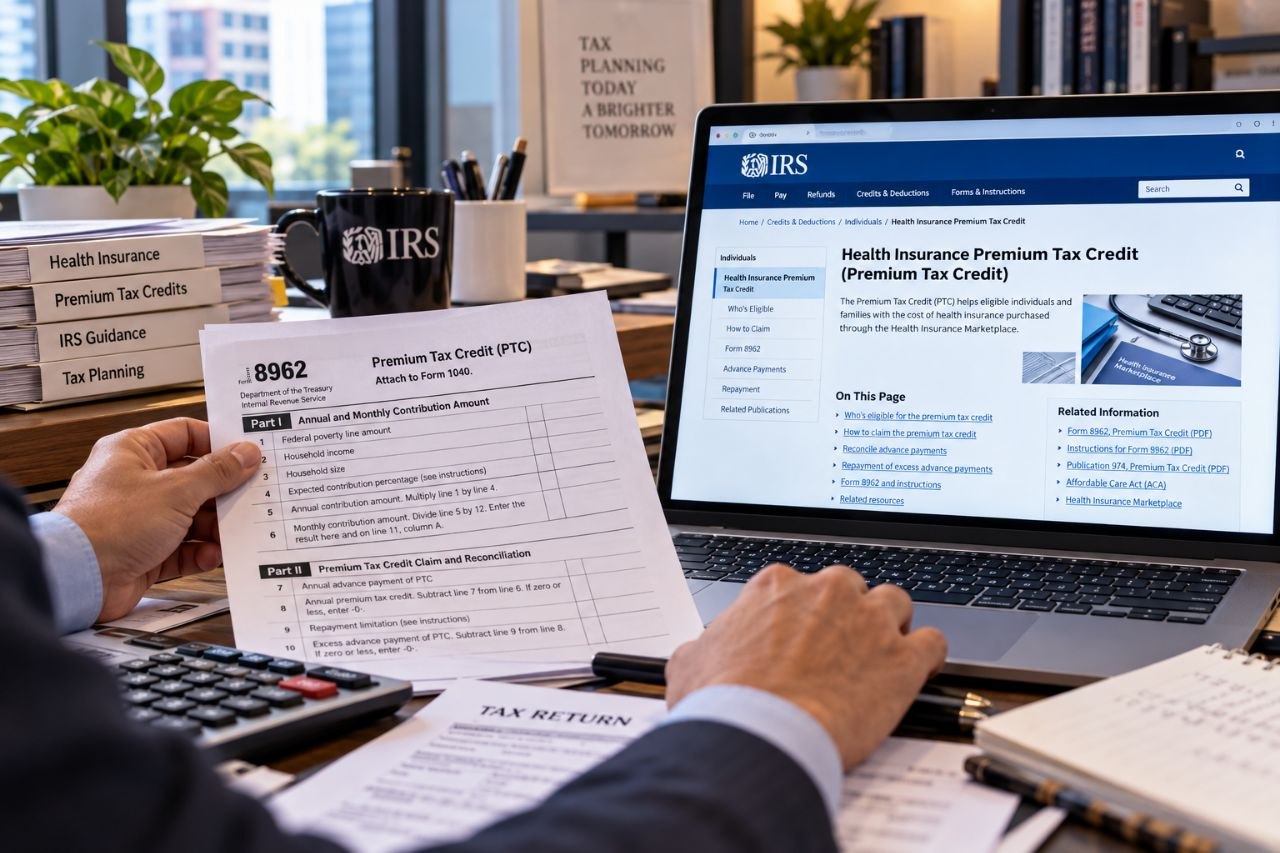
The Internal Revenue Service (IRS) has introduced proposed regulations aimed at altering eligibility guidelines and the calculation process for the federal tax credit that lowers health insurance premium costs. The newly floated rules look to tighten oversight and restrict specific populations from utilizing the financial assistance.
New Eligibility Restrictions and Verification Guidelines
Under the proposed regulations, designated as REG-101576-26 and RIN 1545-BS15, undocumented immigrants with incomes falling 100% below the poverty line would be barred from accessing the Premium Tax Credit. The framework outlines updated parameters for calculating the exact credit amounts families can claim on their tax returns.
Additionally, the regulations establish stricter guardrails for plan qualification. Under the proposed provisions, applicants would be blocked from qualifying for the credit if enrollment plans fail to establish a reliable process for verifying household income and applicant eligibility.
Broader Tax Credit Adjustments
The latest healthcare-related guidance arrives alongside other recent federal efforts by the IRS to adjust refundable individual tax credits. The agency previously proposed measures in August designed to restrict undocumented immigrants from accessing the refundable portions of credits such as the earned income tax credit, the additional child tax credit, and the American opportunity tax credit. The latest actions on health insurance premium credits continue a broader regulatory push by federal authorities to tighten income verification and eligibility enforcement across multiple tax credit programs.