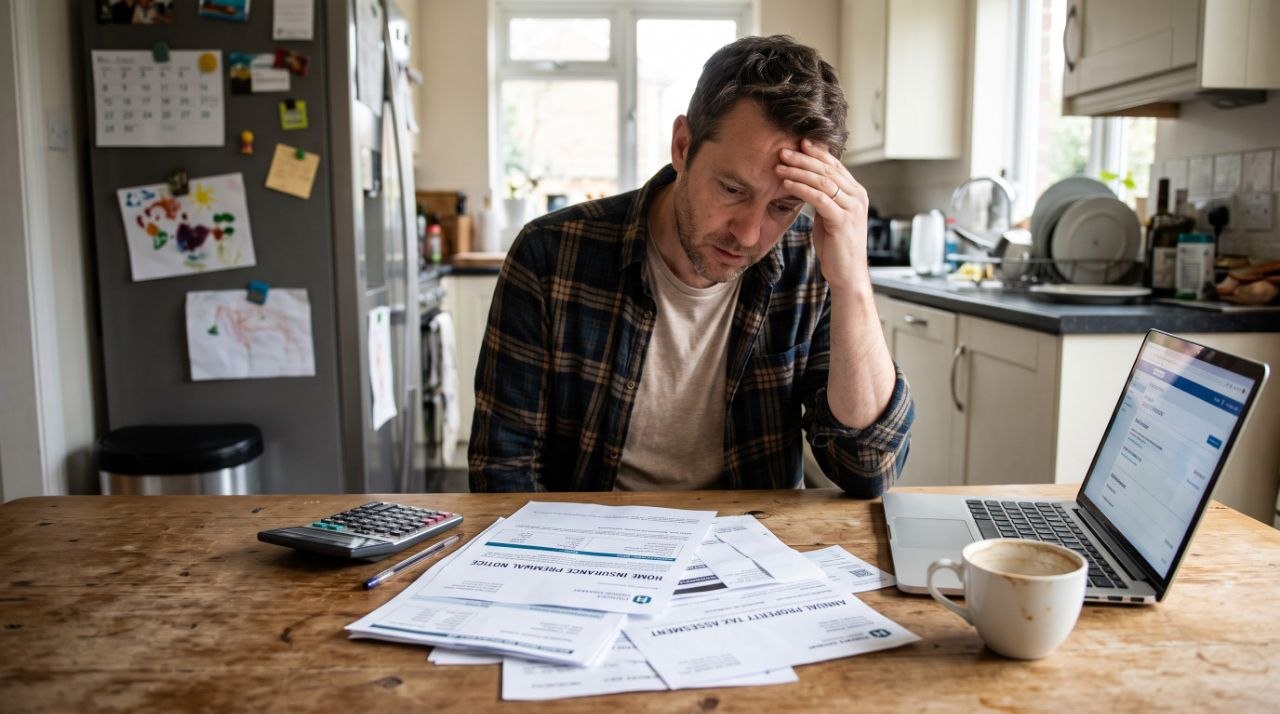
In a significant financial shift for American property owners, insuring a home now costs more than the property tax itself in most US counties. According to recent reporting, the escalating burden is driven in large part by the rising risk of extreme weather events across the country.
The Growing Financial Squeeze on Households
For decades, standard household budgeting placed property taxes near the top of recurring ownership expenses, often dwarfing hazard coverage. However, skyrocketing premiums have fundamentally altered the math of homeownership. In many regions, the annual cost of coverage has surged past local tax bills, placing an unprecedented squeeze on middle-class budgets and reshaping the housing market.
This national trend reflects mounting pressures from climate-related perils, including severe storms, flooding, and hurricanes. As insurers grapple with mounting disaster-related payouts, those costs are directly passed down to consumers through steep rate hikes and stricter underwriting practices.
Regional Pressures and Extreme Weather Risks
While the insurance squeeze is sweeping across the nation, high-risk states face some of the most acute challenges. In states like Florida, where frequent major hurricanes and flooding have battered the region over the past decade, property owners face the highest premiums in the country. Data indicates that average annual premiums in states vulnerable to severe climate impacts have climbed dramatically, far outpacing national averages and compounding other rising housing costs like maintenance and association fees.
The combination of surging insurance expenses and climbing property taxes is forcing many families to reevaluate long-term housing affordability. As traditional financial models for homeownership shift, policymakers, insurance regulators, and homeowners alike are left searching for sustainable solutions to rein in runaway housing costs.