
Immune Fog May Flag Lung Cancer Years Before Tumors Form
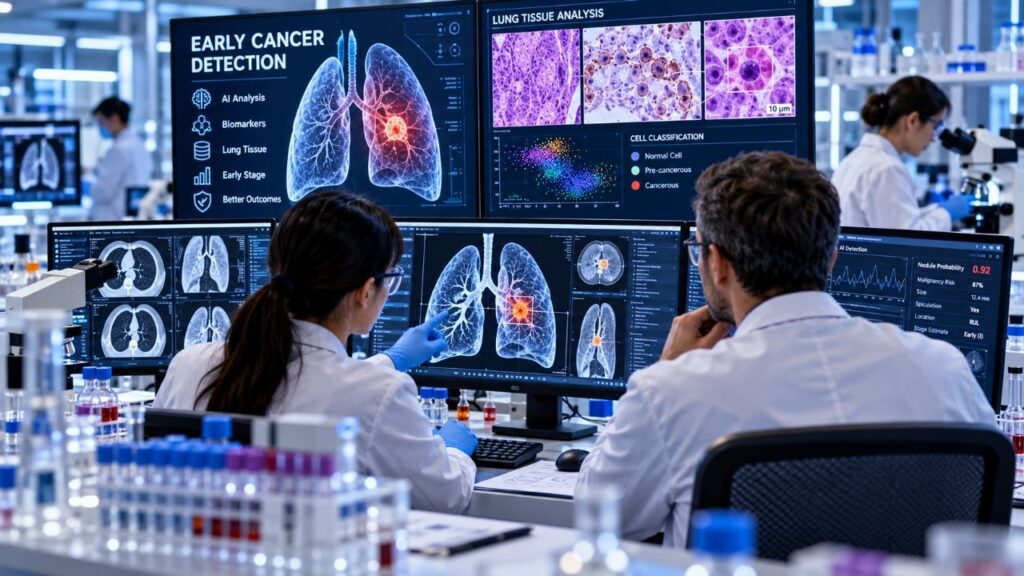
A newly identified phenomenon known as “immune fog” could flag the risk of lung cancer years before a tumor actually develops, according to a breakthrough study conducted by researchers at University College London (UCL). The research, published in the journal Nature, opens up promising new avenues for early detection and what scientists term “cancer interception.”
Uncovering the Treg Fog in the Lungs
Led by Associate Professor James Reading and Professor Sam Janes, the research team investigated the earliest stages of lung cancer development. They discovered a rising cloud or fog of specialized immune cells building up in the lungs. These cells, known as regulatory T cells or Tregs, naturally dampen the body’s immune response.
By suppressing immune activity, this accumulation of Tregs essentially pauses the activity of cells designed to target and destroy abnormal growths. As a result, pre-cancerous cells are able to slip through the body’s defenses and develop into full-scale lung cancer largely unchallenged by the immune system.
“What excited us most was that these cells weren’t just signalling that cancer might be developing: it was also possible to target this immune fog to intervene and stop tumours from forming,” Professor Janes explained. The findings add to growing evidence that medical science is shifting away from solely treating advanced cancer toward tackling pre-cancerous conditions before symptoms even appear.
Testing Cancer Interception Strategies
Using prototype blood tests, the UCL team tracked this immune signal and demonstrated that the process could be reversed using targeted drugs. In experimental models, clearing the Treg fog yielded dramatic outcomes: only half of the treated subjects went on to develop lung cancer compared to untreated control groups, and none of those treated developed large tumors.
Dr. Charlotte Durkin, associate director of molecular and cellular medicine at the Medical Research Council (MRC), praised the study for providing valuable new insight into early disease progression. By identifying mechanisms that simultaneously signal heightened risk and offer targets for therapeutic intervention, the research highlights the vital role of discovery science in modern cancer prevention.
While clinical applications in humans will require further investigation and trials, researchers hope that clearing the immune fog will eventually stop pre-cancers from ever turning into life-threatening diseases.