A groundbreaking new study reveals that the developing human brain undergoes a massive, natural quality-control process before and around birth to purge genetically flawed cells. Published in the journal Nature on October 28, 2026, researchers from Harvard Medical School and Boston Children’s Hospital discovered that while a surprisingly high number of prenatal brain cells carry major genetic defects, the vast majority of these abnormal cells are rapidly eliminated during the perinatal period.
Uncovering Genomic Flaws in Fetal Neurons
Using single-cell genomic analysis, the research team investigated the genetic health of cortical neurons during human development. The findings revealed an unexpected reality: between 13% and 46%—with an average of 25.9%—of prenatal cortical neurons carried widespread genomic duplications or deletions known as copy number variants (CNVs). These large structural DNA alterations are frequently linked to neurodevelopmental conditions such as autism, schizophrenia, and epilepsy.
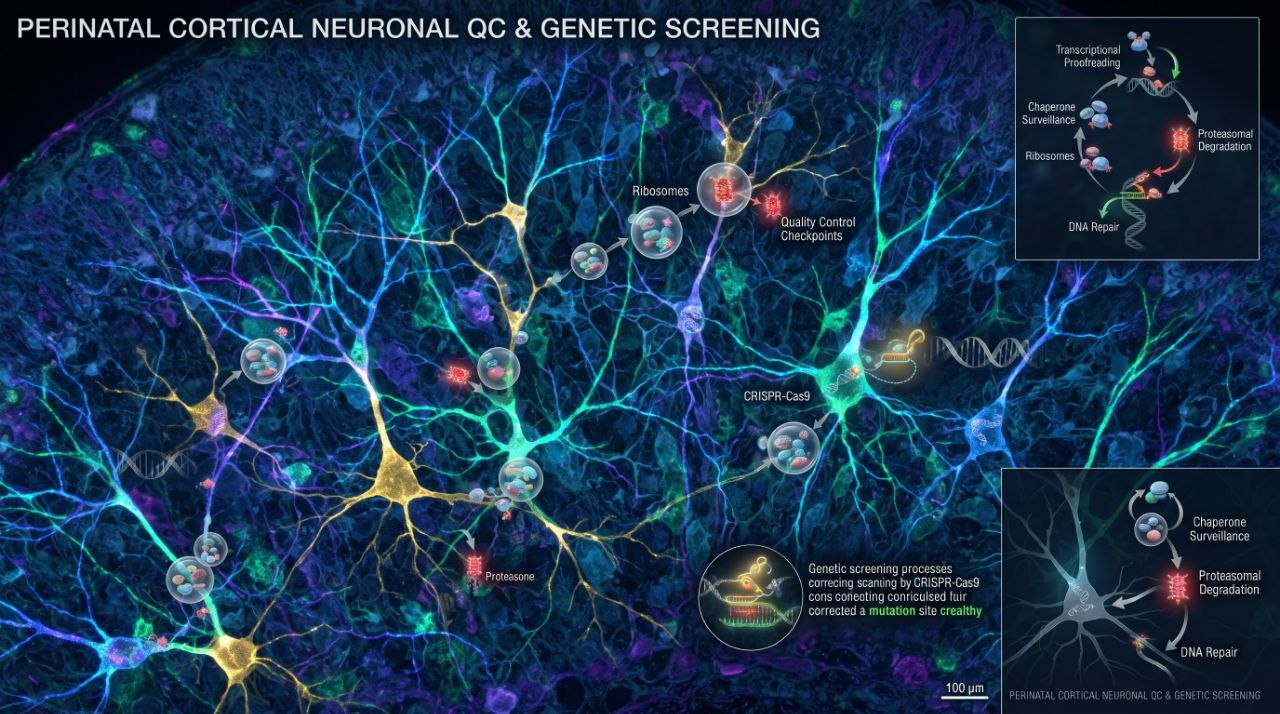
However, this elevated rate of genetic mutations was short-lived. By the neonatal period, the proportion of neurons carrying widespread CNVs dropped sharply to an average of just 6.2%. The data confirmed a rapid and highly selective perinatal elimination window, acting as a biological filter for the central nervous system.
“We think that a lot of different diseases may show abnormalities in this process,” said co-senior author Christopher Walsh. “It’s opened up a whole new universe of things to think about.”
The Mechanism Behind the Perinatal Purge
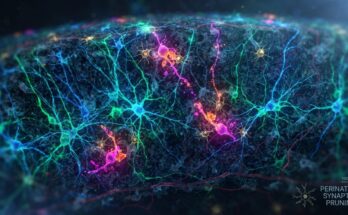
The study sheds light on why these damaged cells are targeted. Researchers noted that the genomic alterations severely disrupt the ability of mutant neurons to properly form synapses—the vital connections between brain cells. Differential gene module analysis showed that synaptic gene modules are significantly downregulated in CNV-carrying neurons compared to normal cells during the postnatal period, aligning with established timelines for programmed cell death.
Peter Park, professor of biomedical informatics in the Blavatnik Institute at Harvard Medical School and co-senior author of the study, explained that the developing brain naturally generates an excess of neurons. While many surplus cells are normally cleared, the selective targeting of genetically aberrant cells points to a sophisticated evolutionary mechanism designed to ensure that only healthy, functional neurons wire the mature brain.
Once this major perinatal cull concludes, the proportion of neurons carrying widespread variants stabilizes considerably. Data shows that roughly 7.1% of neurons retain widespread variants in infants up to age two, dropping to about 4.8% in individuals over the age of 60.
Future Implications for Neurological Research
Following the publication of these findings, the research team at Boston Children’s Hospital and Harvard is expanding their investigations. Scientists are currently exploring whether the elimination of flawed neurons functions differently in the developing brains of individuals diagnosed with autism and other neurodevelopmental disorders.
Additionally, researchers aim to determine whether breakdowns in this cellular quality-control mechanism contribute to progressive neuron loss in neurodegenerative conditions like Alzheimer’s disease. By understanding how the human brain monitors and purges genetic anomalies at birth, medical science may unlock new insights into a wide range of neurological and psychiatric conditions.