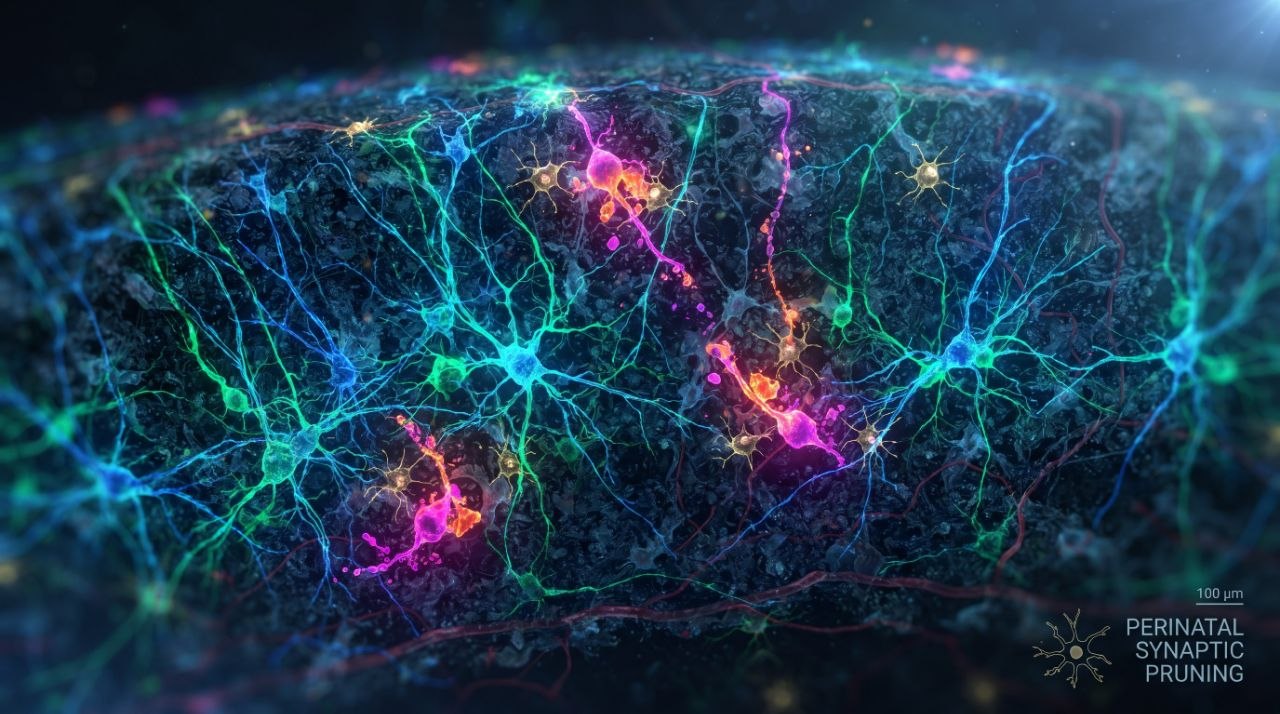
A groundbreaking study published in the journal Nature has revealed that the developing human brain operates a sophisticated quality control system, actively weeding out genetically flawed neurons around the time of birth. Researchers discovered that while the prenatal brain features a surprisingly high frequency of genetic abnormalities in its cells, a rapid perinatal elimination window drastically reduces their numbers by the neonatal period.
Uncovering the Brain’s Quality Control System
Human neurons are long-lived and postmitotic, meaning they require precise genomic regulation to function properly. Normal neuronal function is highly sensitive to genetic dosage, and copy number variants (CNVs)—such as DNA duplications or deletions—along with heterozygous point mutations are frequently associated with neurodevelopmental and neuropsychiatric conditions like autism, schizophrenia, epilepsy, and intellectual disability.
To better understand how these genetic variations impact early human neurodevelopment, an investigative team analyzed postmortem human brain tissue obtained from major repositories, including the NIH NeuroBioBank, Autism BrainNet Collection, University of Washington Birth Defects Research Laboratory, and the Mayo Clinic Brain Bank. The research was conducted under institutional review board approvals from Boston Children’s Hospital and Mass General Brigham.
The data uncovered an unexpected reality: an average of 25.9%, and in some prenatal specimens up to 46%, of cortical neurons carried widespread genomic duplications or deletions during the prenatal stage. However, this elevated mutation rate proved short-lived. By the neonatal period, the proportion of CNV-carrying neurons dropped steeply to an average of just 6.2%, demonstrating a swift and targeted perinatal elimination window.
Implications for Neurodevelopmental Disorders
The study sheds light on how the brain manages genetic errors during gestation. Investigators noted that neurons bearing widespread copy number variants were primarily eliminated perinatally, timed roughly parallel to periods of programmed cell death. Conversely, neurons carrying smaller CNV burdens declined more slowly in frequency as postnatal age increased.
Scientists believe that neurons with multiple genetic aberrations are selectively eliminated shortly before or after birth because their alterations disrupt their ability to properly form synapses and integrate into neural circuits. During early development, the human brain generates an excess of neurons, a large portion of which are naturally trimmed around the perinatal window.
Gaining a deeper understanding of this natural neural pruning and quality control process could significantly enhance medical insight into neurodevelopmental disorders where neural development goes awry. By clarifying how the healthy brain filters out genetically compromised cells, researchers hope to open new pathways for studying conditions rooted in early brain development.