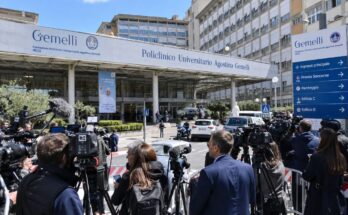
Pope Leo XIV’s recent lung cancer diagnosis and subsequent surgery have brought international attention not only to his recovery, but also to persistent, critical gaps in global lung cancer screening. Vatican officials reported that the pontiff has been making positive progress, walking in his hospital room and eating normally following a successful surgical procedure to remove a portion of his lung.
Medical professionals confirmed that the Pope was diagnosed with lung adenocarcinoma after doctors performed a procedure involving a right upper lobectomy—removing one of the five lobes of the lung. According to Vatican releases, the nodule was caught at a very early stage and was well-localized, a crucial factor since lung cancer is frequently treatable when detected early before it metastasizes.
How the Papal Diagnosis Spotlights Screening Gaps
Despite the positive outcome in this case, medical experts and oncologists point out that the pontiff’s cancer was not detected through standard screening protocols. Instead, the nodule was discovered incidentally when he underwent a scan for an unrelated health matter that captured the lower portion of his lung.
This circumstance has reignited a broader conversation within the medical community regarding who qualifies for routine preventive scans. Millions of people worldwide do not meet current clinical criteria for regular screenings, which traditionally focus heavily on individuals with significant smoking histories. With lung cancer killing nearly two million people worldwide each year, health advocates argue that guidelines need to evolve to address changing epidemiological trends.
Growing Rates of Lung Cancer in Nonsmokers
A significant element driving the discussion around Pope Leo XIV’s health is the rising prevalence of lung cancer among individuals who have never smoked. While smoking remains the leading cause of the disease, data indicates that up to one in four lung cancer cases diagnosed globally now occur in nonsmokers. Because individuals with no smoking history typically fall outside standard preventative screening guidelines, many early-stage tumors go undetected until incidental imaging catches them.
Oncologists and researchers emphasize that closing these screening gaps is essential for improving global survival rates. However, medical experts also face the ongoing challenge of balancing broader screening eligibility with the risks of over-testing, patient anxiety, and unnecessary radiation exposure. As Pope Leo continues his recovery, public health advocates hope the high-profile diagnosis will spur policy discussions and further research into more inclusive, effective detection methods.