The Japanese government has lodged a strong diplomatic protest against Moscow following the arrest of a Japanese journalist in Russia’s far east on suspicion of espionage. The detention marks a significant new low in bilateral relations that have deteriorated sharply amid ongoing geopolitical tensions.
Japan Protests Russia’s Detention of Journalist Yuki Imai
Russia’s Federal Security Service (FSB) and Foreign Ministry announced the arrest on Tuesday, identifying the detained reporter as Yuki Imai, a correspondent for the regional Japanese newspaper Hokkaido Shimbun. According to Russian security authorities, Imai was taken into custody in Yuzhno-Sakhalinsk on the Pacific island of Sakhalin just a day before he had planned to leave the country.
The FSB accused Imai of collecting and storing information regarding Russia’s defense capabilities for intelligence purposes, alleging the data could be utilized against Russian security. Furthermore, Russian officials accused Tokyo of employing media correspondents as a vehicle for gathering intelligence.
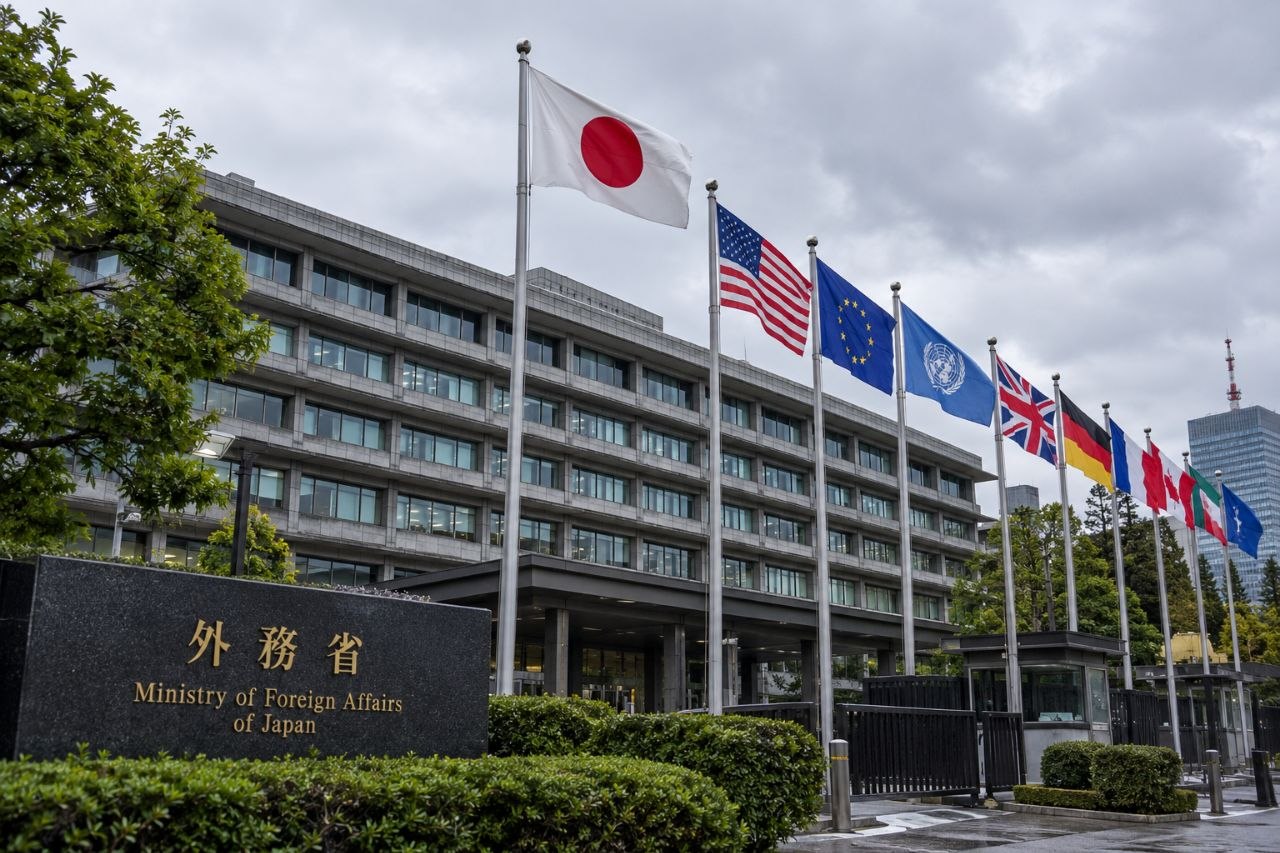
In response to the arrest, Japan’s Foreign Ministry summoned Russia’s ambassador to Japan, Nikolay Stanislavovich Nozdrev, on Wednesday to register an official and strong protest. Tokyo demanded that Moscow provide “humane, fair, and impartial” treatment for the detained national. Japanese officials noted that the government had received no explanation whatsoever from Russian authorities regarding the circumstances surrounding the detention.
Deepening Tensions and Diplomatic Fallout
The high-profile arrest adds to a long history of strained relations between Tokyo and Moscow. The two nations have still not signed a formal World War Two peace treaty, primarily due to a decades-long territorial dispute over a chain of islands known in Russia as the Kuril Islands and in Japan as the Northern Territories.
As diplomatic channels strain further over the espionage allegations, Japanese authorities continue to press Moscow for transparency and the immediate fair treatment of the reporter. What comes next depends heavily on whether Russian security agencies formally press charges or permit consular access, while Tokyo weighs further diplomatic measures.