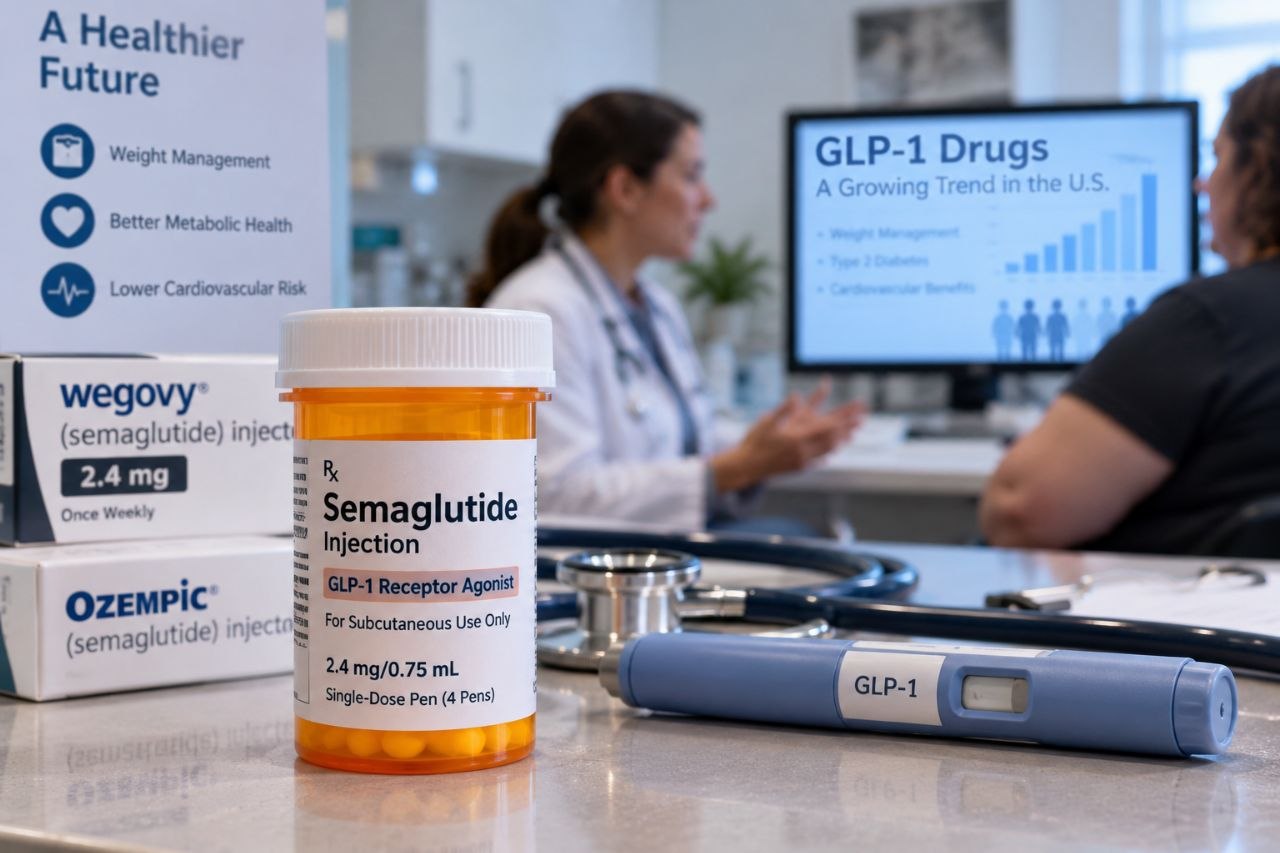
A new study published in the Obesity Journal has revealed that more than 1.1 million people in the United States have been prescribed GLP-1 medications despite having no FDA-approved medical reason to take them. The findings shed light on the rapidly growing off-label use of popular drugs like Ozempic, as researchers examine the implications of widespread demand.
The study analyzed medical records representing more than 92 million U.S. adults, utilizing data from Cosmos covering patients nationwide as of January 2026. Researchers tracked a notable rise between 2021 and 2025, during which the proportion of individuals taking GLP-1 medications without an eligible diagnosis climbed from 0.1% to 1.5%.
Understanding Off-Label GLP-1 Drug Usage
While medications in this class are officially approved to manage Type 2 diabetes and chronic obesity, the study found that a significant number of patients without these conditions are obtaining prescriptions. Approximately 35% of individuals taking a GLP-1 without an approved medical justification presented with a normal body mass index (BMI). Furthermore, researchers noted that eating disorders were more common within this specific cohort.
Although the analysis did not definitively establish why each individual sought out the medications, medical professionals point to widespread cultural interest, public discourse, and the general desire for cosmetic weight loss as primary drivers. The broad potential benefits discussed publicly have fueled demand well beyond clinical populations.
Limitations and Broader Healthcare Context
Study authors emphasized that the true figures may be even higher. The dataset did not account for individuals who obtain prescriptions through telehealth services, nor did it include patients utilizing compounded versions of the medications.
The findings emerge as accessibility to these treatments faces shifting commercial landscapes. While demand for GLP-1 and GIP agonists continues to climb, insurance coverage limitations and prior authorization requirements remain widespread. Industry data shows that millions of Americans with commercial insurance lack coverage for weight-loss medications, leaving many patients navigating complex financial and administrative barriers as interest in the drugs persists.