Carrots are one of the most popular and nutritious vegetables in the world. They are naturally low in calories and provide important nutrients, including beta-carotene, fiber, potassium, vitamin K1, and antioxidants.
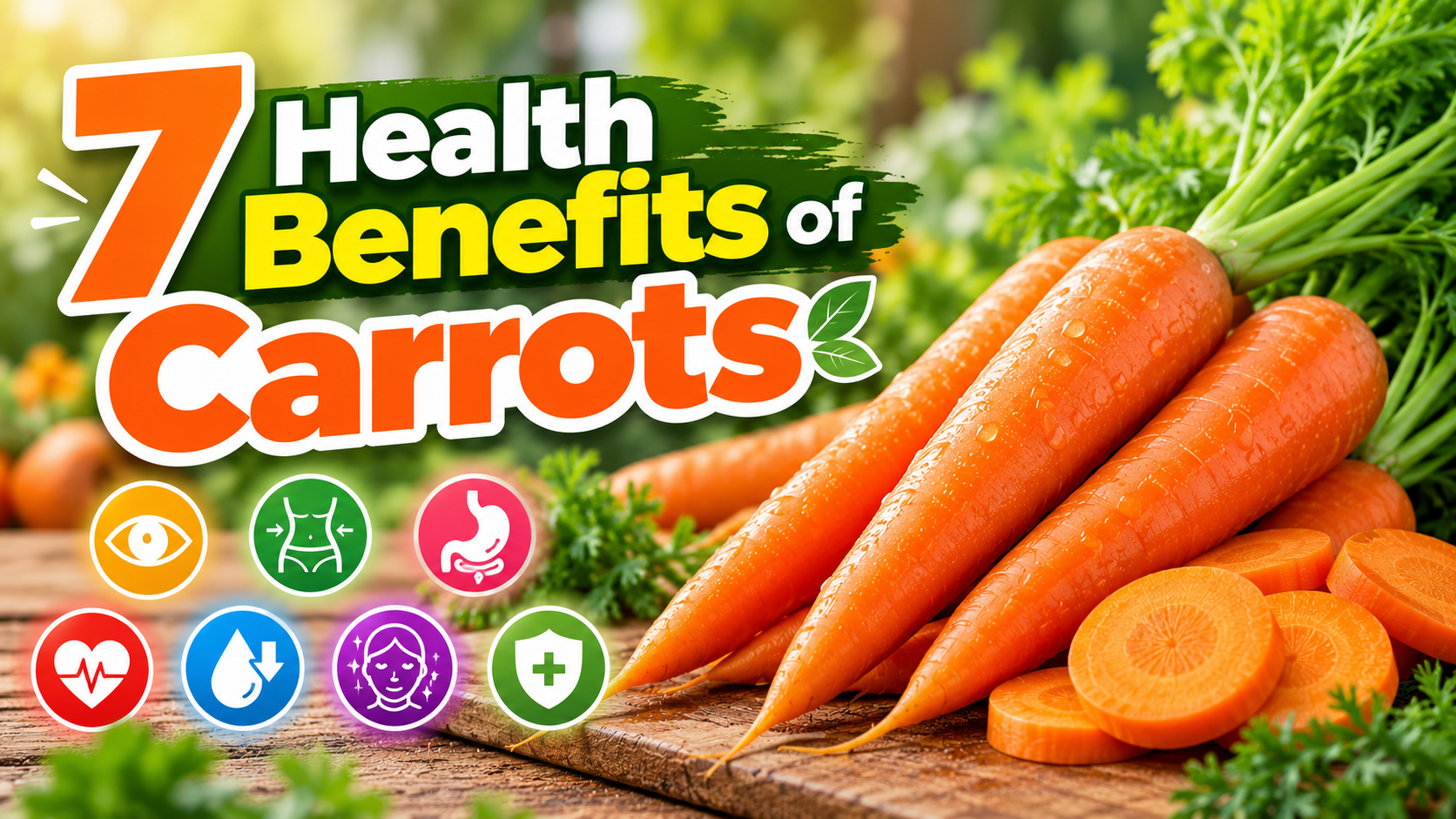
Whether eaten raw, cooked, added to salads, or included in soups and other dishes, carrots can be a simple addition to a balanced diet. Here are seven potential health benefits of eating carrots regularly.
1. Supports Eye Health
Carrots are well known for their connection to eye health. They are rich in beta-carotene, which the body converts into vitamin A.
Vitamin A plays an important role in maintaining normal vision, particularly in low-light conditions. Carrots also contain antioxidants such as lutein, which may help support overall eye health.
However, eating carrots does not cure existing vision problems. They are best considered part of a nutritious diet that supports healthy eyes.
2. May Help with Weight Management
Carrots can be a useful food for people trying to maintain a healthy weight.
They are relatively low in calories while providing dietary fiber. Fiber can help you feel full for longer, which may make it easier to control overall food intake.
Raw carrots can also be a convenient alternative to highly processed snacks when you want something crunchy between meals.
3. Supports Healthy Digestion
Carrots are a good source of dietary fiber, which is important for normal digestive function.
Fiber helps add bulk to stool and supports regular bowel movements. Eating enough fiber, together with drinking sufficient water, may also help reduce the likelihood of constipation.
Including carrots alongside fruits, vegetables, whole grains, and legumes can contribute to a healthier digestive system.
4. Supports Heart Health
The fiber, potassium, and antioxidants found in carrots can contribute to a heart-healthy diet.
Soluble fiber may help support healthy cholesterol levels, while potassium is important for normal heart and muscle function.
Carrots should not be considered a treatment for heart disease, but eating them as part of a balanced diet rich in vegetables may support overall cardiovascular health.
5. Helps Support Healthy Blood Pressure
Carrots contain potassium, an essential mineral involved in maintaining normal fluid balance and blood pressure.
A diet that includes potassium-rich foods, while also limiting excessive sodium intake, can support healthy blood pressure.
Regularly eating a variety of fruits and vegetables, including carrots, is therefore a useful part of a heart-conscious eating pattern.
6. Provides Nutrients for Healthy Skin
Carrots contain beta-carotene and other antioxidants that help protect cells from oxidative stress.
The body converts beta-carotene into vitamin A, which is important for maintaining healthy skin and normal cell function.
Carrots alone will not transform your skin, but their nutrients can contribute to skin health when they are part of a varied and nutritious diet.
7. Supports the Immune System
Carrots provide several nutrients involved in normal immune function, including vitamin A and antioxidants.
Vitamin A helps maintain healthy tissues and supports the body’s natural immune defenses. Carrots also provide other vitamins, minerals, and plant compounds that contribute to overall nutrition.
For the greatest benefit, carrots should be eaten as part of a varied diet rather than relied upon as a single “immune-boosting” food.
Raw or Cooked Carrots: Which Is Better?
Both raw and cooked carrots can be healthy choices.
Raw carrots retain their crunchy texture and provide plenty of fiber. Cooking carrots can make some carotenoids, including beta-carotene, easier for the body to absorb.
Eating carrots with a small amount of healthy fat—such as olive oil, nuts, seeds, or avocado—can also help the body absorb fat-soluble carotenoids.