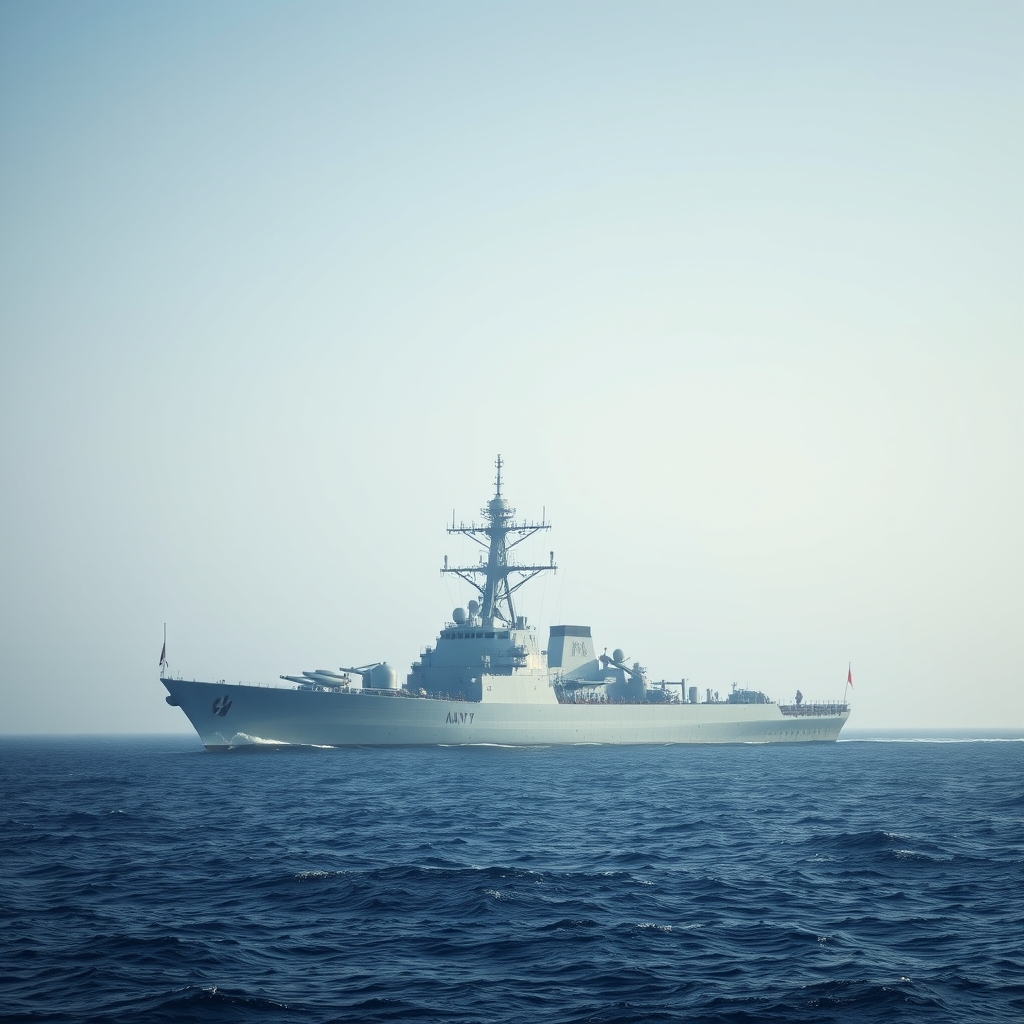
Military tensions in the Middle East have intensified significantly as the United States and Iran continue a sustained exchange of strikes. The ongoing conflict, primarily centered on the control and security of the Strait of Hormuz, has led to a series of consecutive nightly military operations that have drawn in multiple regional allies and raised concerns over the stability of critical infrastructure.
US-Iran Military Escalation and the Strait of Hormuz
The latest developments mark a period of intense military activity, with the U.S. military confirming a multi-week series of strikes targeting Iranian military assets. These operations are explicitly aimed at degrading Iran’s capacity to threaten maritime traffic within the Strait of Hormuz, a vital global waterway for energy and trade. In response, Iran has engaged in retaliatory strikes, expanding its target list beyond military installations to include civilian infrastructure within U.S.-allied nations in the Gulf.
As of late July 2026, the U.S. has maintained a consistent aerial campaign, with reports citing at least 13 consecutive nights of strikes. U.S. military objectives have increasingly targeted physical infrastructure, including bridges and electrical grids within Iranian territory, which has led the Iranian Energy Ministry to urge citizens to reduce power consumption.
Impact on Regional Allies and Infrastructure
The scope of the conflict has widened beyond direct U.S.-Iran engagement. Iranian missile strikes have targeted water desalination plants in Kuwait, while additional attacks have been directed toward Qatar, Jordan, and Kurdish areas in Iraq. These strikes against the civilian infrastructure of Gulf allies represent a significant departure from previous engagements.
The maritime environment remains highly volatile. Beyond the ongoing blockade of Iranian ports by the U.S., there have been multiple reports of incidents involving merchant vessels in the region. Recent alerts from the United Kingdom Maritime Trade Operations (UKMTO) noted an incident involving military forces boarding a merchant vessel off the coast of Oman, further highlighting the precarious nature of shipping in the Gulf of Oman.
Casualties and Future Outlook
The human toll of the conflict remains a point of contention. Iranian authorities have reported significant casualties, alleging that recent U.S. strikes have resulted in dozens of deaths and hundreds of injuries. The U.S. military has confirmed that some American service members have been injured during the exchange, though it has maintained that no personnel were killed in the retaliatory strikes launched by Tehran.
The diplomatic situation remains strained. Iranian Foreign Minister Abbas Araghchi has publicly rejected international pressure, stating that Iran will not respond to the use of force or threats. Meanwhile, the U.S. continues to maintain a significant military presence in the region, with over 50,000 personnel deployed across the Middle East. As both sides signal a commitment to their respective strategies, the international community continues to monitor the situation, particularly the potential for further escalation and its subsequent impact on global energy markets.