Russia’s Federal Security Service (FSB) has detained a Japanese newspaper correspondent on suspicion of espionage, accusing him of collecting defense-related information and military intelligence. The arrest has drawn immediate international concern and condemnation from press freedom advocates.
Arrest and Transfer to Moscow
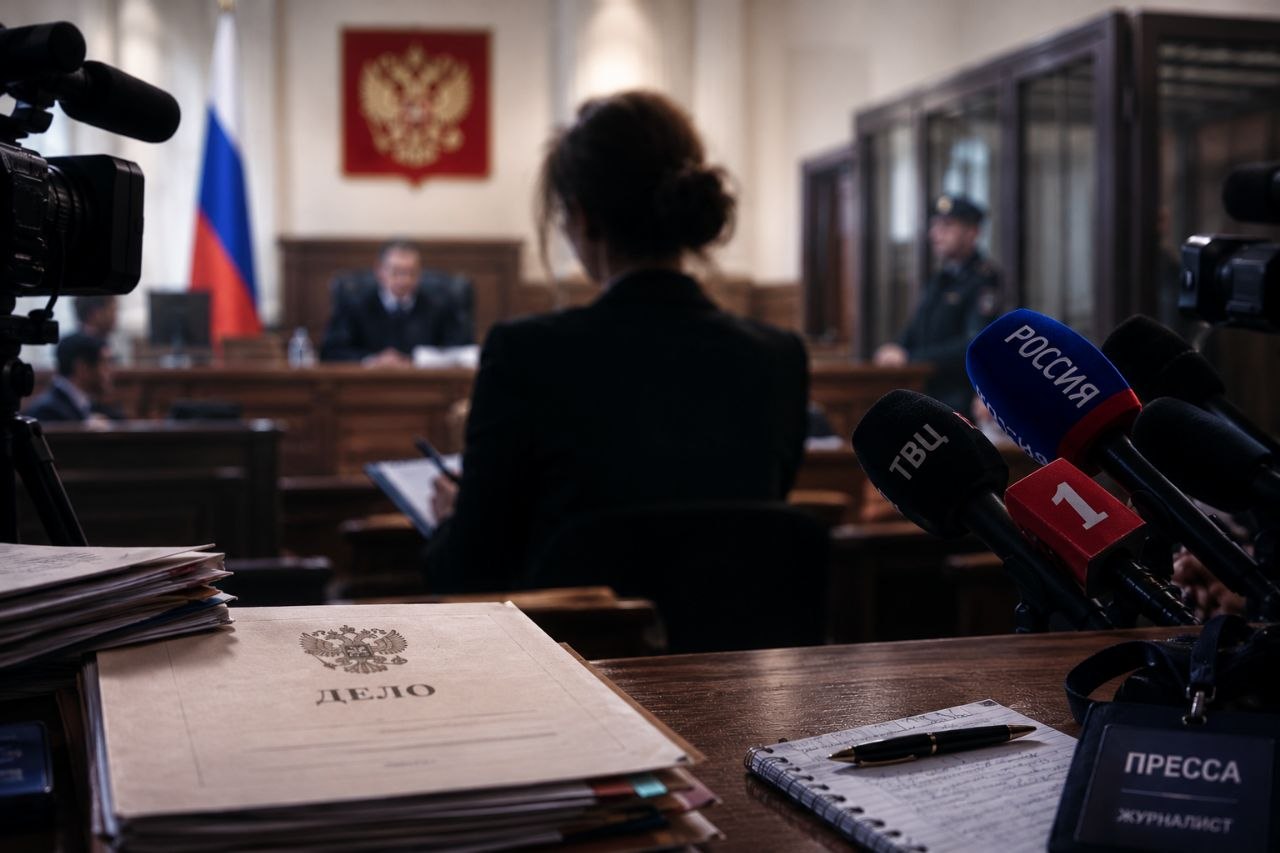
The reporter, identified as Yuki Imai working for the Hokkaido Shimbun’s bureau in Yuzhno-Sakhalinsk, was detained in the Sakhalin region in Russia’s Far East. The arrest occurred just before he planned to leave the country. Following his apprehension, he was transferred to Moscow, where the Lefortovo District Court ordered pre-trial detention.
According to Russian state-run media and security agencies, Imai faces charges under espionage allegations, with authorities claiming he was gathering defense capabilities data and intelligence for Japanese authorities. Russian security services broadcast footage of the journalist’s detention in what appeared to be a hotel room, later showing him being escorted to an aircraft and into a Moscow court building.
Reporting Focus and Allegations
Investigators allege that the journalist collected information from residents—including individuals on Russian-controlled islands claimed by Japan—regarding people mobilized for the war in Ukraine and local volunteers. Russian state media also alleged that the reporter was working for one of Japan’s intelligence services, though specific evidence has not been publicly detailed.
Prior to his detention, Imai’s published work for the Sapporo-based Hokkaido Shimbun covered bilateral relations between Russia and North Korea, life in Sakhalin, and the presence of North Korean workers in Yuzhno-Sakhalinsk. His reporting also focused extensively on local military recruitment efforts.
Legal Proceedings and International Response
The Investigative Directorate of the FSB has opened a formal criminal case against the journalist. Under current Russian legal proceedings, he has been remanded into custody pending a scheduled trial date set for December 12. If convicted, he faces up to 20 years in prison.
The Committee to Protect Journalists (CPJ) and other international organizations have responded to the development, calling for his immediate release as concerns grow over the safety and treatment of foreign correspondents operating within Russia.