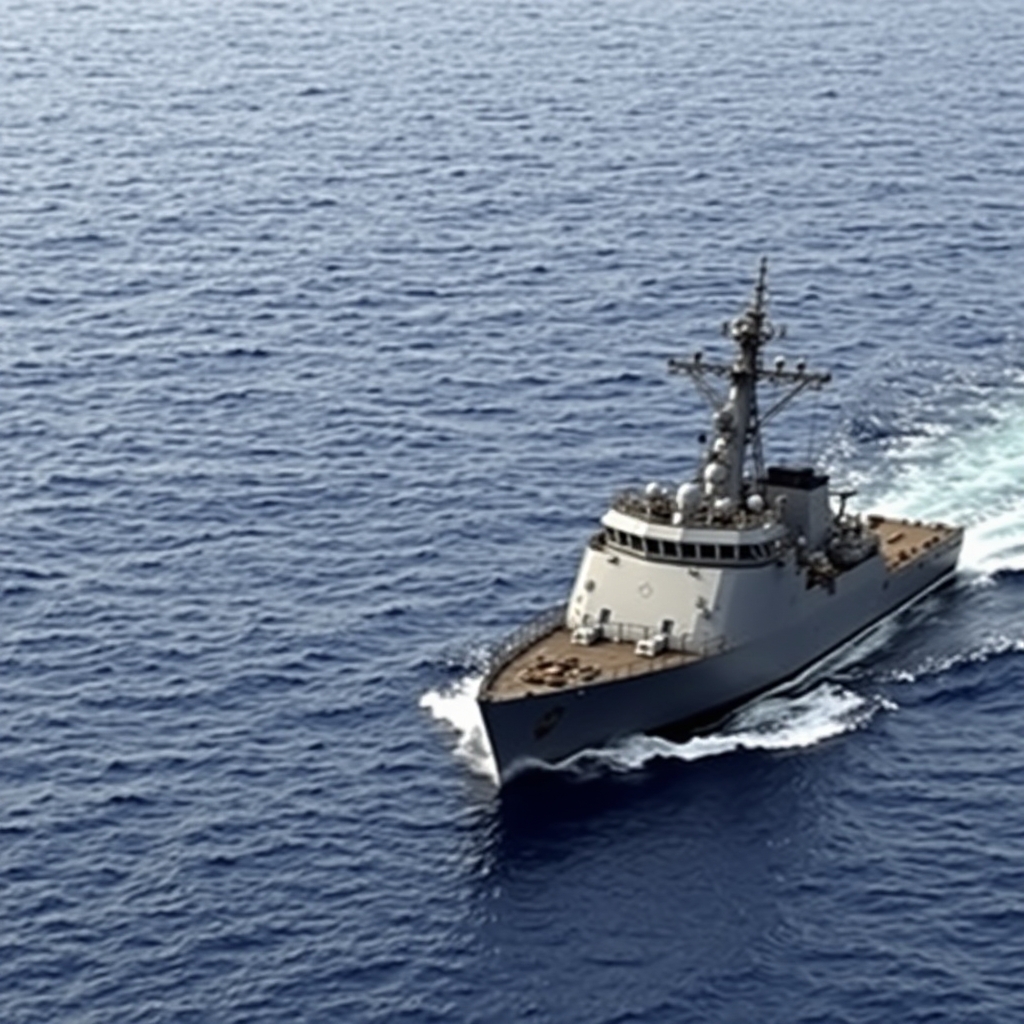
A convoy of Russian ships transporting military vehicles toward Libya has reversed course in the Mediterranean Sea following a targeted strike that destroyed a Russian naval corvette. According to multiple military and security sources, the diversion marks a significant shift in Russian naval movements as the country moves to protect its assets from ongoing Ukrainian maritime drone operations.
Russian Military Flotilla Aborts Mission
The incident centers on a military supply chain that was interrupted on November 22, 2026, when Ukrainian maritime drones struck the Russian corvette Merkury. The vessel was docked at the naval base in Benghazi, Libya, at the time of the attack. Satellite imagery provided by official sources confirmed the presence of a fire and an explosion aboard the ship following the drone strike.
Following the loss of the Merkury, a second Russian convoy—which was being escorted by the frigate Golovko—aborted its transit toward the North African coast. European military officials tracking the movement reported that the flotilla turned around near the Strait of Sicily on the same day as the Benghazi attack. Current intelligence indicates that the fleet has since paused off the coast of Algeria.
Context of the Naval Engagement
The sinking of the Merkury represents a rare escalation of the conflict between Russia and Ukraine, extending beyond the active battlefield in Eastern Europe to international waters over 1,200 miles away. Ukrainian President Volodymyr Zelenskiy confirmed that the Merkury was a specific target of the operation.
The vessel had reportedly been engaged in supporting logistical operations, including the transport of military vehicles to Libya. The mission had been underway since mid-October, when loading operations commenced. Other vessels involved in Russian supply lines to the region, including the Maia 1, Lady R, and Lady D, have also been monitored by international maritime tracking systems. Operators associated with these vessels, JSC Sovfracht and MG-Flot, have previously been subject to international sanctions by both the United States and the European Union.
Current Status and Security Implications
The sudden withdrawal of the Russian military flotilla highlights a growing sensitivity within the Russian Ministry of Defense regarding the vulnerability of its naval assets. While the Russian government has not issued an official statement regarding the drone strike or the subsequent diversion of the convoy, the maneuver is widely viewed by Western security analysts as a precautionary measure to prevent further losses in the Mediterranean.
As of late November 2026, the situation remains fluid. Authorities continue to monitor the movements of Russian-flagged cargo and support ships in the region, while intelligence agencies assess the broader impact of the Ukrainian drone capabilities on Russian regional influence and military logistics in North Africa. For now, the primary convoy remains at a standstill, effectively halting the planned delivery of military assets to the Libyan base.