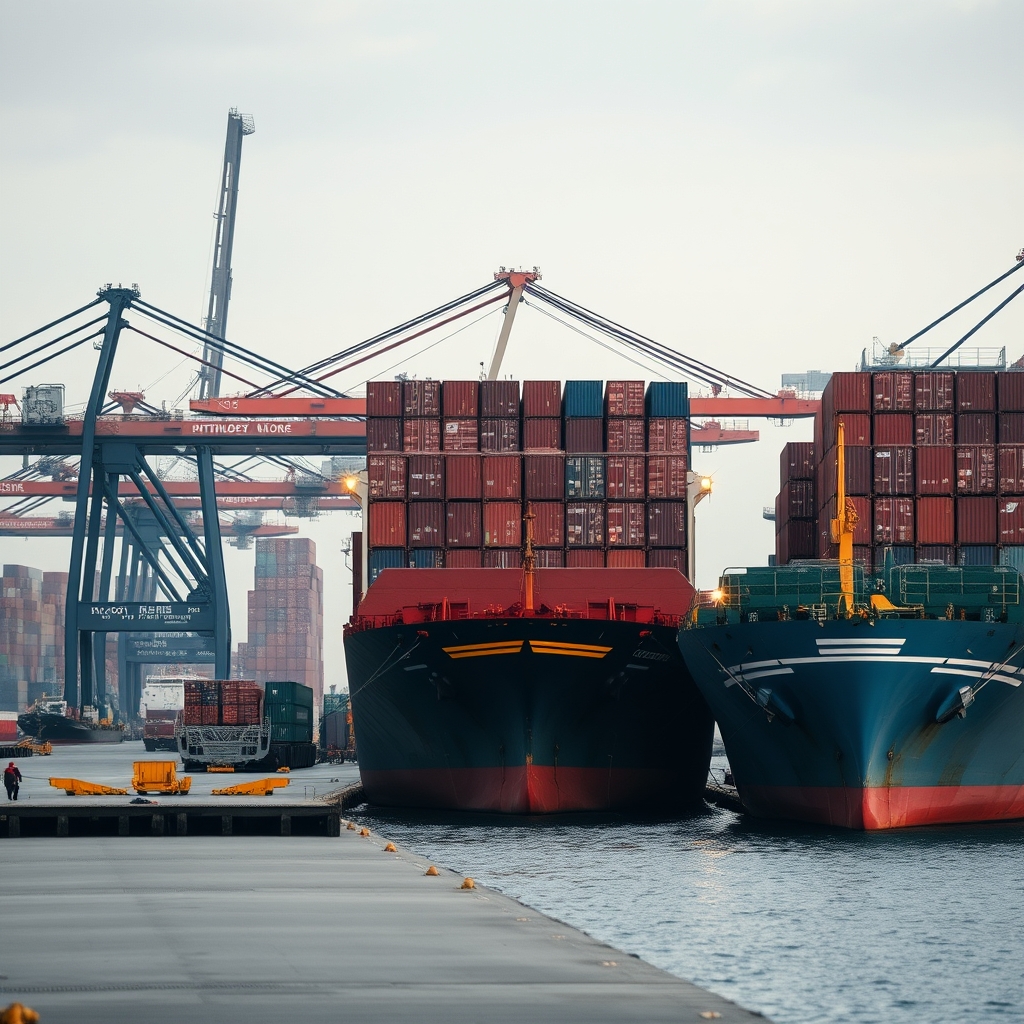
The U.S. government has announced a new series of proposed tariffs targeting 14 major trading partners, including China, the European Union, Japan, and India. The move follows an investigation into what the administration characterizes as “structural excess industrial capacity,” arguing that government-subsidized manufacturing in these regions is flooding global markets with low-cost goods and undercutting American producers.
The Scope of Proposed New U.S. Tariffs
The proposed duties stem from a Section 301 investigation launched in March by the U.S. Trade Representative (USTR). According to official statements, the probe examined manufacturing sectors where excess production—often fueled by subsidies—reportedly burdens or restricts American commerce. Affected sectors include steel, aluminum, electric vehicles, solar products, and various consumer appliances.
While the administration is pursuing a broad application of these levies, it intends to honor existing trade deal caps for specific partners. Under this framework, goods from the European Union, Japan, and South Korea face proposed duty caps of 15%, while Malaysia is subject to a 19% cap. The situation regarding China is more complex: the administration has signaled a 20% cap on new tariffs, provided that a trade truce currently set to expire on January 10 is extended. Should that agreement lapse, officials suggest the rate could rise significantly, with some reports indicating potential duties as high as 40%.
Addressing Industrial Overcapacity
The administration’s focus on “excess capacity” is a central pillar of its current trade policy. Officials contend that foreign subsidies create an uneven playing field, allowing cheaper imports to overwhelm domestic industries. By imposing these levies, the White House aims to protect U.S. manufacturing jobs and stabilize local market pricing.
China, the primary target of these measures, has officially rejected the allegations of overcapacity. Beijing has maintained that its export volume is a direct reflection of its competitive manufacturing advantages rather than state-sponsored dumping. While Chinese officials have reiterated their opposition to trade wars, they have not yet issued direct threats of immediate retaliation, opting instead to label the accusations a “false issue.”
Next Steps and Public Feedback
The implementation of these tariffs is not immediate. The USTR has established a formal process for public input, allowing for comments on the proposed duties until January 5, 2027. Following this period, the administration has scheduled public hearings beginning on January 25 to further evaluate the proposals.
Industry analysts note that while the U.S. is pushing forward with this protectionist strategy, the policy faces a complicated legal landscape. Previous efforts by the administration to levy broad “Liberation Day” tariffs were struck down by the U.S. Supreme Court earlier this year. Consequently, observers are closely watching whether these new measures will face similar judicial scrutiny. For now, the administration continues to frame the duties as a necessary corrective measure for global trade imbalances, while international partners navigate the implications of potential new costs on their exports to the United States.