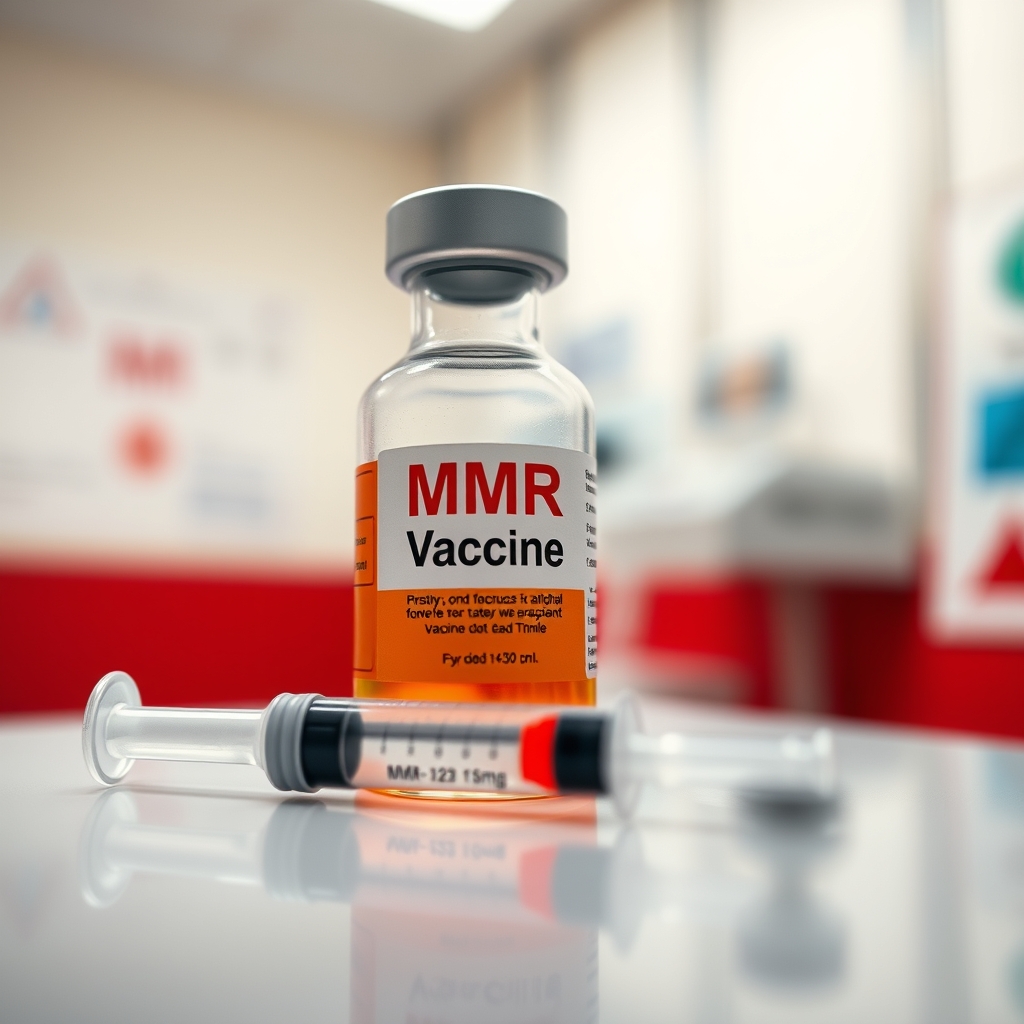
The United States has lost its official measles elimination status, a landmark public health achievement held since 2000, following sustained viral transmission and record-breaking outbreak numbers nationwide. The decision by global health experts convened by the Pan American Health Organization (PAHO) marks a major setback for U.S. public health after 26 years of maintaining measles-free status.
The change comes as the Centers for Disease Control and Prevention (CDC) reports more than 5,100 confirmed measles cases across 47 states in 2026. The current annual case count is the highest recorded in the United States since 1991, standing in sharp contrast to the 85 cases reported during the year measles was originally declared eliminated.
Rising Outbreaks and Declining MMR Vaccination Rates
Public health experts attribute the resurgence of the virus primarily to declining immunization rates among school-aged children. According to CDC data, coverage for the measles, mumps, and rubella (MMR) vaccine among kindergartners dropped from 95.2% during the 2019–2020 school year to 92.4% in 2025–2026. That decline leaves approximately 280,000 kindergartners unprotected and falls short of the 95% threshold required to sustain community herd immunity.
Infections have surged over the past two years. Following more than 2,200 cases recorded in 2025, total cases since early last year have approached 7,500. The CDC has documented dozens of distinct outbreaks in 2026, with roughly 96% of all confirmed cases linked directly to active localized outbreaks.
Hospitalizations, Fatalities, and Systemic Impact
The scale of the ongoing outbreaks has placed significant pressure on healthcare providers. CDC figures show that approximately 1 in 9 reported measles cases this year has required hospitalization. State health departments have also reported at least 10 measles-related deaths since early 2025, alongside rare complications such as congenital measles transmitted from infected pregnant women to newborns.
Dr. Demetre Daskalakis, former director of the National Center for Immunization and Respiratory Diseases at the CDC, noted the broader significance of the decision, calling measles elimination a vital sign for the nation’s public health system. Experts warn that losing elimination status highlights vulnerabilities across infectious disease prevention infrastructure.
CDC Response and the Path Ahead
Addressing the development, CDC Director Dr. Erica Schwartz stated that the agency’s operational posture will remain unchanged as it continues assisting state public health partners. Schwartz confirmed that the agency plans to maintain the same response strategy, focusing on direct support to state and local health authorities to contain active outbreaks and support vaccination campaigns.
To regain measles elimination status under international public health guidelines, the United States will have to prove that continuous, uninterrupted transmission of the virus has been stopped across all domestic areas for a period of at least 12 consecutive months.