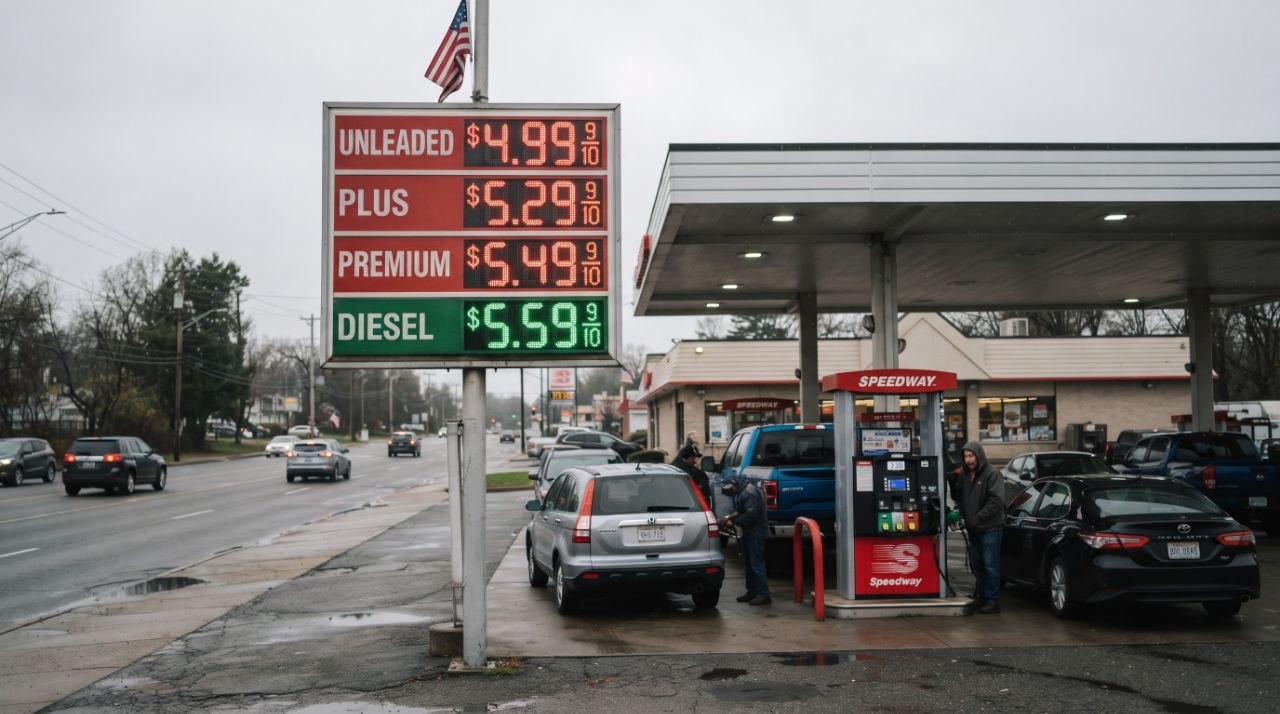
As American voters head to the polls for the midterm elections, US gas prices have surged to record highs, dealing a significant political blow to President Donald Trump’s administration. Federal data analyzed by financial analysts indicates that the average price of a gallon of petrol topped $3.46, surpassing previous records set during the Joe Biden administration. The spike follows months of elevated fuel costs, which saw the national average stay above $4 per gallon throughout August and hit record highs during the Labor Day holiday weekend.
The sharp increase in fuel expenses stems primarily from ongoing geopolitical conflict in the Middle East. Fuel costs skyrocketed after the United States joined forces with Israel in military actions against Iran in February. The conflict led to the effective closure of the Strait of Hormuz by Iran, a critical maritime chokepoint through which approximately one-fifth of the world’s daily oil and gas supply previously passed. Negotiations regarding oil transit through the waterway remain deadlocked.
Impact on the Economy and Midterm Elections
The persistent inflation and soaring cost at the pump have heavily influenced voter sentiment. Although general inflation has cooled compared to previous years, everyday expenses like filling up gas tanks, paying utility bills, and purchasing meals continue to pinch household budgets. Voters head into the November 3 elections with a skeptical economic outlook, putting pressure on Republican prospects for maintaining control of Congress.
President Trump had previously promised low gas prices during his campaign, insisting that costs would drop to $2 a gallon. Instead, disruptions to oil shipments—compounded by dwindling Russian diesel output due to its ongoing war against Ukraine—have sent energy prices climbing. In an effort to curb the surge before the elections, the administration even pursued an agreement to release stocks of diesel fuel from Russia, despite longstanding U.S. sanctions implemented following the 2022 invasion of Ukraine.
What Lies Ahead for Energy Markets
Energy analysts warn that the economic impacts and supply chain disruptions could persist well beyond the midterm elections, contradicting the administration’s earlier optimistic forecasts. With transit through the Strait of Hormuz still halted and international fuel supplies strained, drivers across the country face continued uncertainty at the pump. Authorities and market observers will closely monitor whether diplomatic breakthroughs or alternative supply routes can ease the pressure on global energy markets in the coming months.