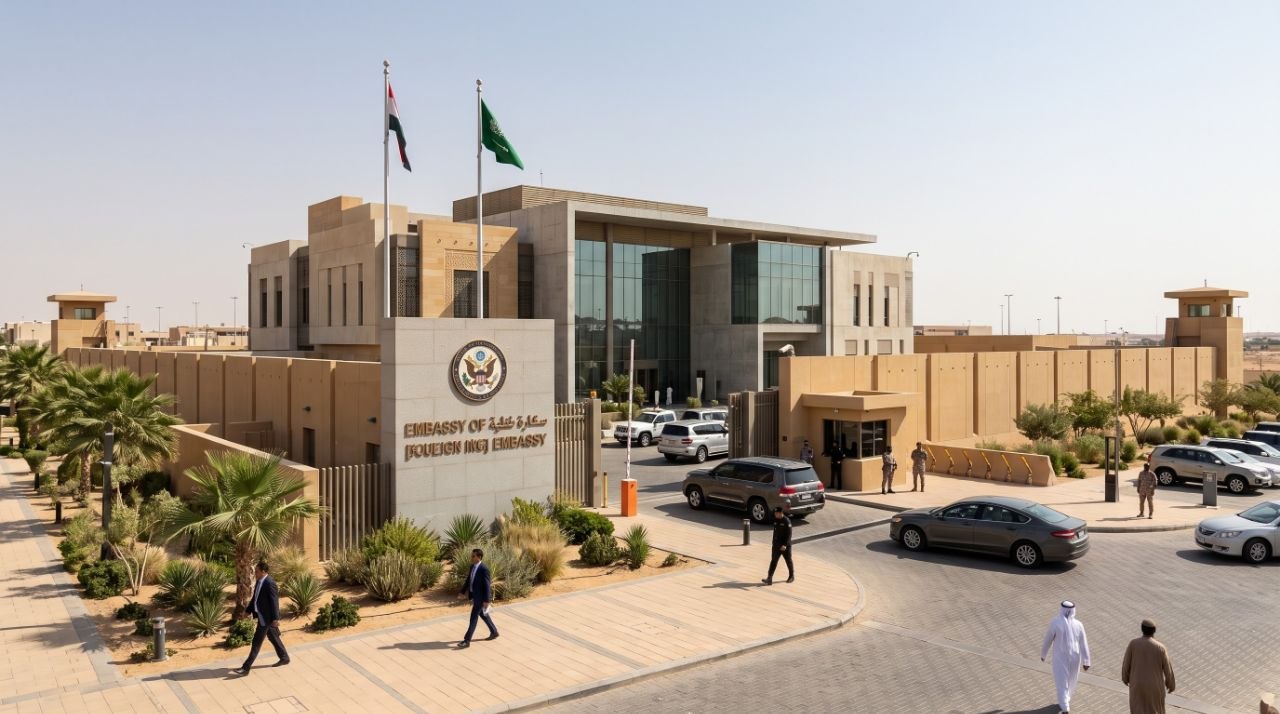
The United States State Department has ordered non-emergency government personnel and their family members to leave Saudi Arabia following a sharp escalation in attacks by Iran-backed Houthi militants. The security directive, announced on October 21, 2026, marks the second time this year that Washington has pulled non-essential staff from the kingdom.
Escalating Houthi Strikes Drive Departure Order
State Department spokesperson Tommy Pigott confirmed the ordered departure in a public statement, pointing to increased hostilities from Yemen’s Houthi movement. The recent wave of violence has included strikes targeting civilian airports and critical infrastructure within Saudi Arabia, resulting in casualties and widespread travel disruptions.
The latest security measures follow a deadly October 10 attack on the Riyadh airport. While initial reports from U.S. officials suggested that broader evacuations might be planned across multiple diplomatic missions in the Gulf region, the State Department clarified that the current directive specifically applies to operations within Saudi Arabia. Approximately 100 U.S. advisers are reported to remain stationed in the kingdom as the security situation unfolds.
Regional Tensions and Official Response
The ongoing Houthi offensive has significantly shifted the focus of regional conflict in the Middle East, drawing renewed concern from international allies. President Donald Trump addressed the escalating threat following the October 10 airport strike, declining to rule out potential military responses against the militant group and noting that Washington maintains lines of communication with the Houthis.
An ordered departure is a mandatory U.S. government security mechanism that directs designated personnel and eligible family members to depart a diplomatic post due to immediate safety concerns. Unlike a voluntary departure, compliance with the directive is required for affected individuals. Authorities continue to monitor the security landscape closely as regional hostilities persist.