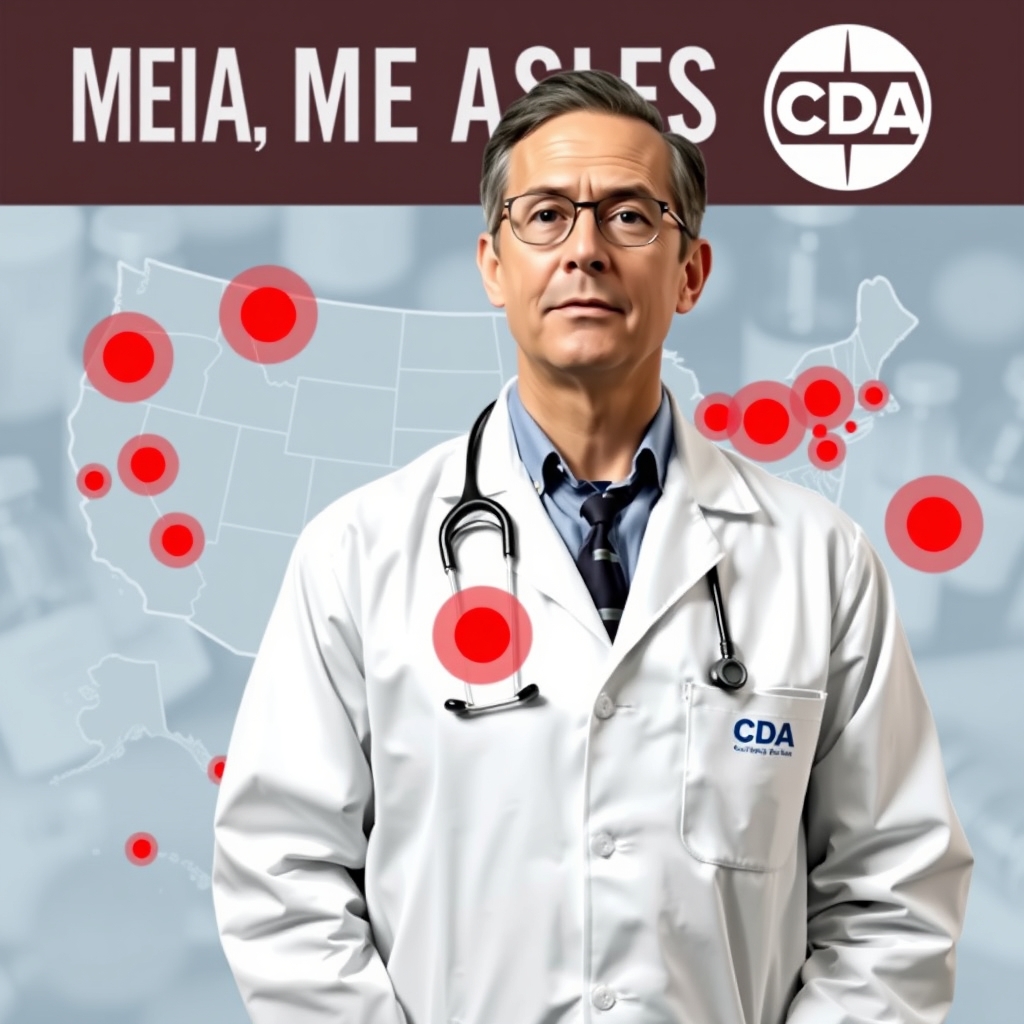
The United States officially lost its measles elimination status in November 2026, a designation it had maintained for 26 years. The change follows a dramatic rise in cases – more than 5,400 confirmed infections reported through November 13 – and a spike in deaths that public‑health officials say signals endemic transmission has returned.
Rising cases trigger loss of elimination status
According to the Centers for Disease Control and Prevention (CDC), measles cases have been reported in 46 states and the District of Columbia, with 43 separate outbreaks (defined as three or more linked cases). State health departments have documented ten measles deaths so far this year, the highest death toll in more than three decades. Pennsylvania alone accounted for seven of those deaths, while Wisconsin reported two and New York one.
Other monitoring groups cite slightly different tallies. The KFF Quick Takes analysis notes 5,412 confirmed cases and ten deaths, whereas CIDRAP estimates the count could exceed 7,000 by year‑end and records at least eight deaths. The variation reflects the rapid evolution of the outbreak and the lag in final reporting, but all sources agree the 2026 numbers dwarf the 85 cases recorded in the year the nation originally achieved elimination.
What “elimination status” means
World Health Organization (WHO) guidelines define measles elimination as the absence of continuous, endemic transmission for at least 12 months in a defined geographic area. When a country loses that status, it does not imply a legal penalty; rather, it signals that measles is once again spreading within the population without needing an imported case to spark each chain of transmission.
For the United States, the loss marks the first time since the early 2000s that measles is considered endemic. The Pan American Health Organization (PAHO) noted the setback also reflects a broader regional trend: the Americas lost their collective measles‑free status in 2025 after a series of similar spikes.
Factors behind the surge
Public‑health experts point to a convergence of factors that created a fertile environment for measles to rebound. Vaccination coverage among kindergarten‑age children has slipped below the 95% threshold needed for herd immunity in several states. Non‑medical vaccine exemptions have risen, driven by misinformation and legislative changes that make it easier for parents to opt out.
Access to health care remains uneven, particularly in rural and underserved urban communities where routine immunization services are scarce. The CDC has also highlighted the emergence of congenital measles—transmission from an infected pregnant woman to her newborn—as a new and serious threat, underscoring the broader public‑health implications of the outbreak.
Federal response and next steps
In response to the crisis, the CDC announced an infusion of roughly $100 million in funding for state and local health departments, extending through most of 2027. The money supports the Strengthening Vaccine‑Preventable Disease Prevention and Response cooperative agreement, which will fund risk‑identification, community outreach, rapid outbreak response, and data‑sharing enhancements.
CDC Director Dr. Erica Schwartz emphasized that the loss of the elimination designation does not change the agency’s evidence‑based approach: “Vaccination does. We know where transmission is occurring and we are investing to reach those communities.” The agency also pledged to continue monitoring case trends, expanding laboratory capacity, and coordinating with international partners to prevent further spread.
Health leaders stress that regaining elimination status will require sustained effort beyond the emergency funding. Continued public‑education campaigns, stricter enforcement of school vaccination requirements, and improved access to vaccines are cited as essential components of a long‑term strategy.
While the United States confronts a historic setback, officials remain cautiously optimistic that coordinated action can reverse the trend. The CDC’s interim goals include reducing the number of active outbreaks by half before the end of 2027 and restoring national measles incidence to pre‑2025 levels.