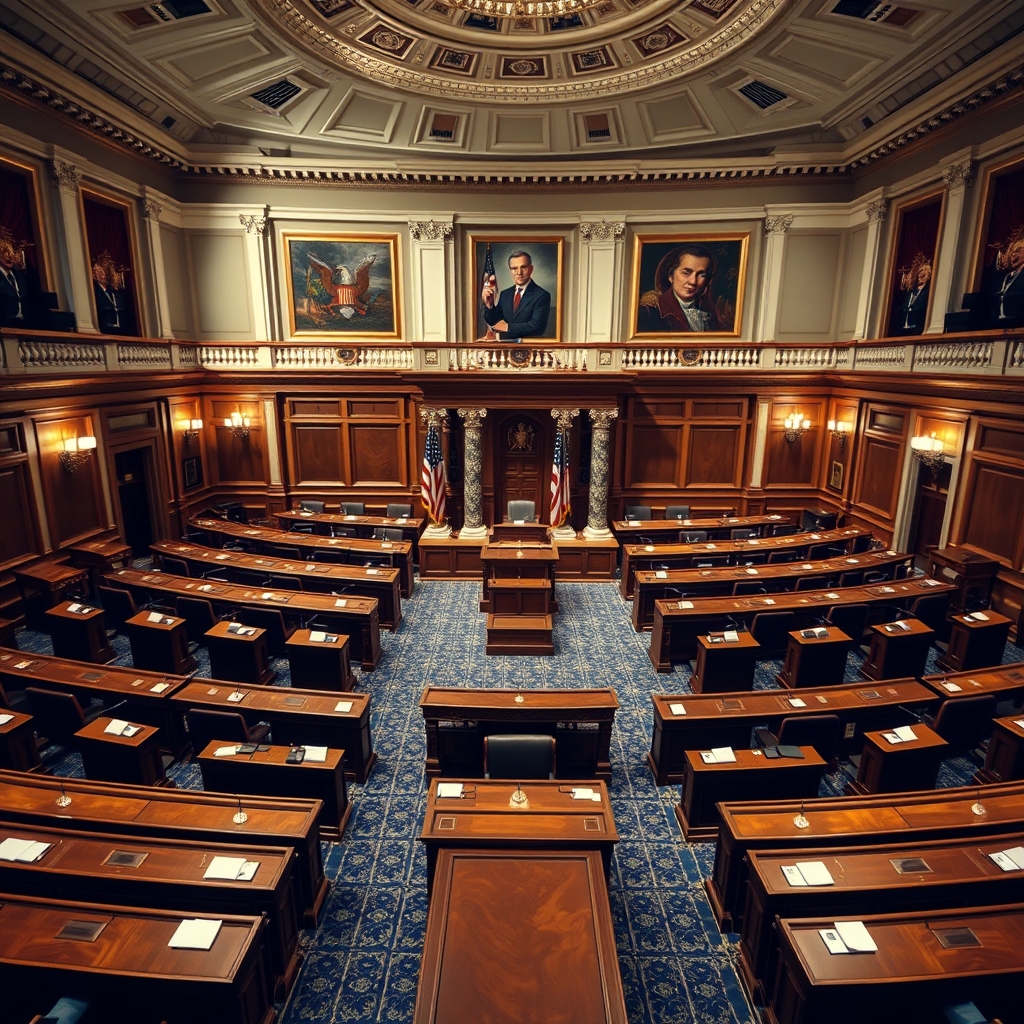
The U.S. Senate has passed a significant piece of legislation aimed at streamlining the nation’s infrastructure and energy project development. In a 62-33 vote, lawmakers approved the Bipartisan American Affordability and Jobs Act (BAAJA) of 2026, a move intended to accelerate the timeline for permitting energy projects ranging from natural gas pipelines to clean energy initiatives.
Key Provisions of the BAAJA Bill
The BAAJA legislation, introduced earlier this year by a bipartisan group of senators including Shelley Moore Capito (R-WV), Mike Lee (R-UT), Sheldon Whitehouse (D-RI), and Martin Heinrich (D-NM), seeks to address industry concerns regarding the lengthy and complex permitting processes in the United States. A central goal of the act is to reform the National Environmental Policy Act (NEPA) review process.
The bill includes several measures to achieve this:
- Categorical Exemptions: The legislation expands the list of activities exempt from rigorous environmental review, such as specific natural gas pipeline expansions.
- Review Limitations: Environmental reviews will be restricted to analyzing only those alternatives that align with the core objectives of a project’s sponsor.
- Strict Deadlines: The bill mandates tighter deadlines for agency reviews and seeks to hold government departments accountable for delays.
- Legal Challenges: To reduce litigation-related delays, the bill requires lawsuits against projects to be filed within 150 days of approval. Furthermore, it limits the ability to sue to individuals who participated in the formal public comment process.
Debate and Political Impact
The passage of BAAJA has highlighted deep divisions among lawmakers and interest groups. Proponents argue that the reforms are essential to lower consumer energy costs and modernize infrastructure. Supporters, including many in the energy and AI sectors, suggest that the current regulatory burden prevents the rapid deployment of necessary energy projects.
Conversely, the bill has drawn sharp criticism from environmental organizations and some members of Congress. Opponents express concern that the measure weakens critical protections under the Clean Water Act and NEPA, potentially at the expense of environmental health. Some climate advocates worry that by prioritizing speed, the legislation could favor fossil fuel expansion over long-term sustainability goals.
The vote itself reflected a complex political landscape. Despite the bill being described as bipartisan, it caused significant tension within the Democratic Party. While Senate Minority Leader Chuck Schumer voted in favor of the bill, many other Democrats opposed it. This internal friction comes as the party prepares to transition into a position of full congressional control in January.
Next Steps for Energy Legislation
Following its successful passage in the Senate, the BAAJA bill now heads to the House of Representatives for further consideration. Its future in the House remains a focal point of debate, with figures like Rep. Scott Peters advocating for its passage as a means to address the affordability crisis, while incoming House Natural Resources leadership has urged colleagues to reject the bill due to its environmental implications.
As the legislation advances, stakeholders remain focused on how the proposed changes will balance the competing demands of energy production, economic growth, and environmental stewardship. The final version that reaches the president’s desk, if successful, is expected to mark one of the most substantial shifts in U.S. infrastructure and energy permitting policy in recent years.