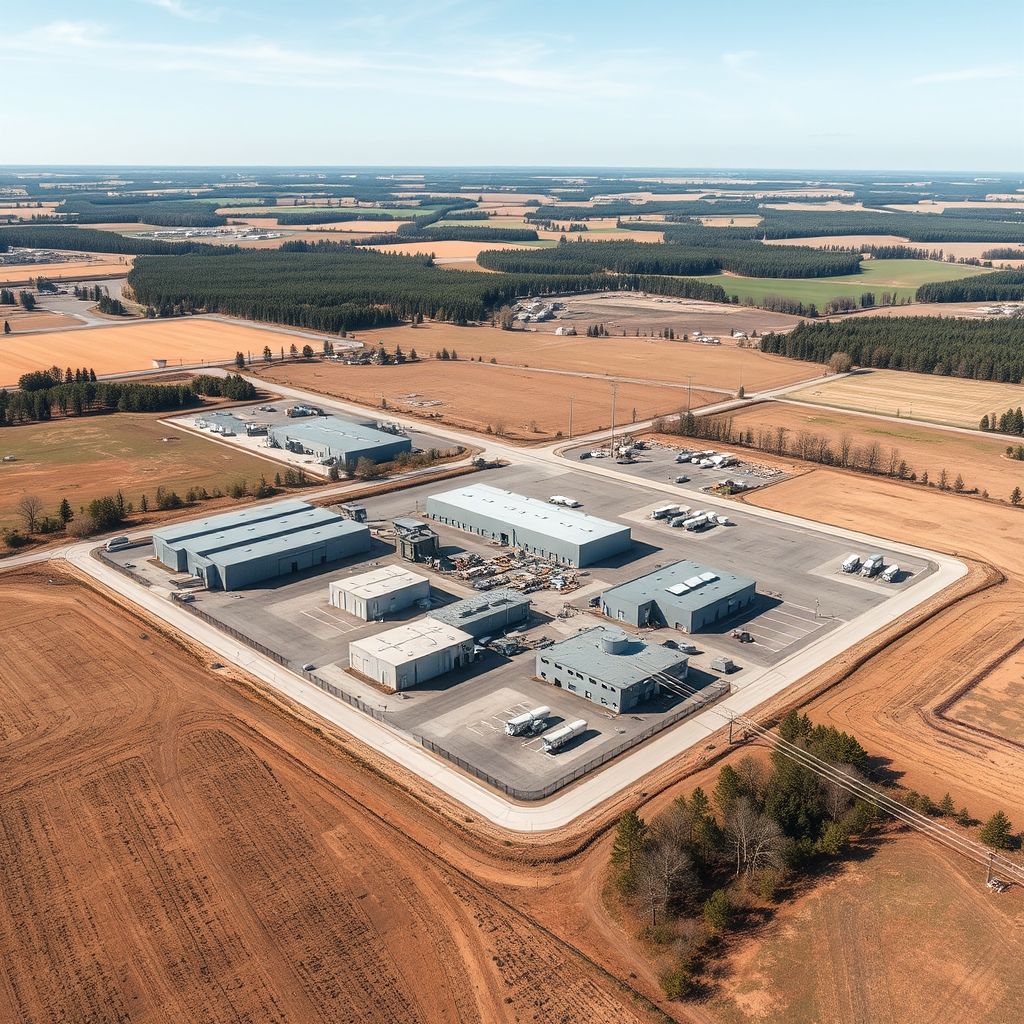
The U.S. Army is scheduled to conduct two controlled detonations of approximately 9,500 pounds of degraded lead azide at the Iowa Army Ammunition Plant in Middletown, Iowa. The operation, set for Friday, November 20, comes after the U.S. Environmental Protection Agency (EPA) issued an emergency permit to dispose of the volatile explosive material, which officials deemed too unstable to transport or store long-term.
Public Health and Environmental Concerns
The planned disposal has sparked significant concern among local residents and environmental groups regarding the release of toxic lead dust. While the Army maintains that in-place detonation by Explosive Ordnance Disposal experts is the safest method to eliminate the hazard, the process is expected to create an air plume containing lead particles. According to official advisories, the dust is expected to disperse and potentially deposit on the ground, posing a risk to agricultural land, residential properties, and outdoor surfaces within a 40-mile radius.
Earthjustice, representing the Iowa Environmental Council and the Sierra Club Iowa Chapter, filed a lawsuit seeking to halt the operation. The groups argue that the government failed to provide adequate time to address potential health risks to vulnerable populations, including pregnant women and children. Despite the legal challenge, authorities have moved forward with the operation, noting that the explosive nature of the degraded material presents an immediate threat to public safety.
Safety Measures and Public Response
To mitigate the impact, the Army has implemented several precautionary measures. These include utilizing earthworks and soil-wetting techniques to suppress dust, as well as conducting active air monitoring. The EPA’s emergency permit mandates post-detonation sampling and comprehensive cleanup efforts to address any surface contamination.
Residents in the immediate vicinity of the plant have been asked to vacate their homes between 8 a.m. and 2 p.m. local time on the day of the blast. Some local schools have opted to cancel classes in anticipation of the operation. Officials have advised that while the detonations are expected to be quick, the resulting vibrations could potentially break old windows in the area, and the dust plume may remain in the air for up to an hour, depending on prevailing wind conditions.
What Comes Next
The Army and the EPA have released modeling maps to help the public identify areas potentially exposed to the plume. Residents are encouraged to monitor official channels for updates. As the situation develops, environmental agencies are expected to release results from post-detonation air and soil monitoring to determine if additional remediation is necessary to ensure the safety of the affected communities. The U.S. Army continues to emphasize that the controlled destruction is a necessary step to mitigate the higher risk posed by storing the volatile chemicals.