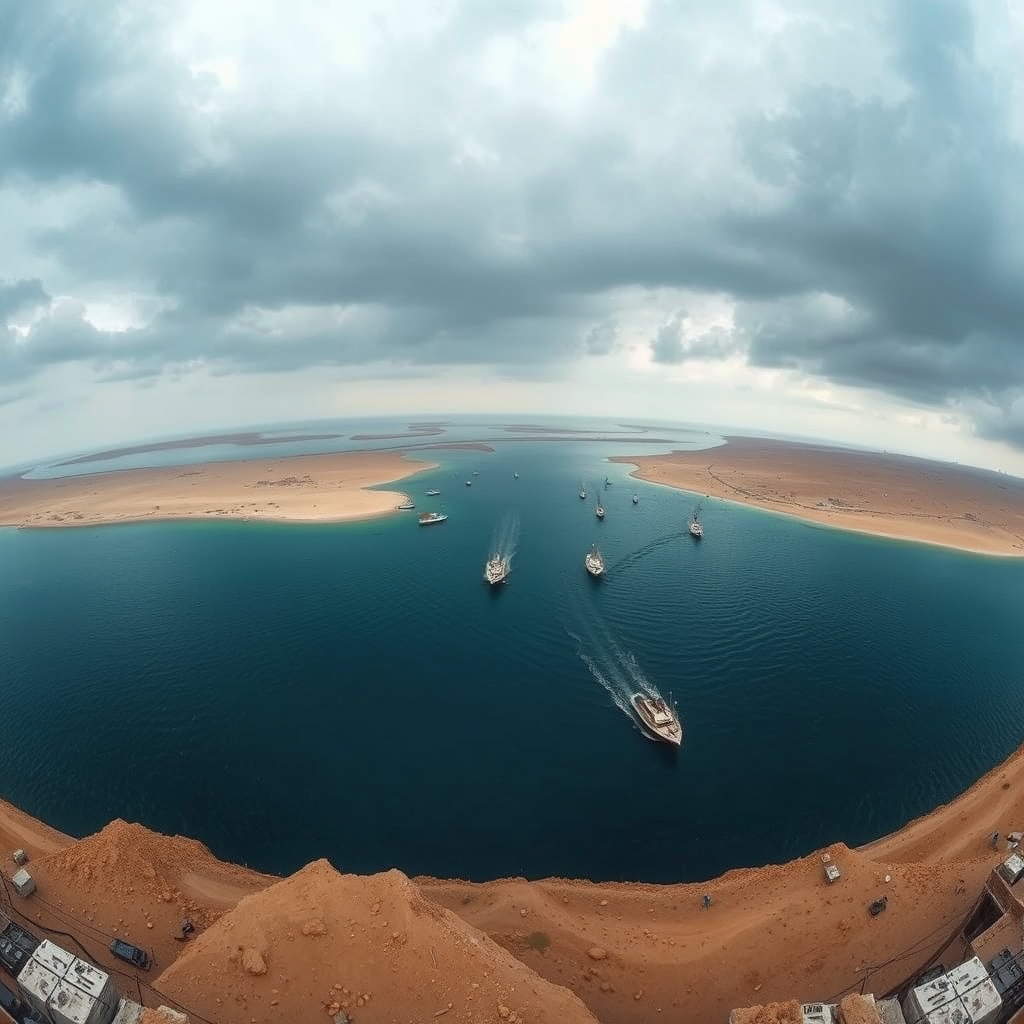
Yemeni forces backed by the Saudi‑led coalition announced on Sunday that they are pulling back from the Bab al‑Mandeb strait, ceding control of the narrow Red Sea chokepoint to Iran‑aligned Houthi rebels. The retreat, described as a tactical redeployment toward Aden, leaves the strategic maritime corridor exposed and places Houthi forces within roughly 60 kilometres of the internationally recognised government’s temporary capital.
Government forces withdraw from Bab al‑Mandeb
The Southern Armed Forces – the main Saudi‑backed militia fighting alongside Yemen’s internationally recognised government in the south – said they were evacuating Dhubab Airport and the surrounding area of the Bab al‑Mandeb region in western Taiz province. The move, announced late on Sunday (Nov. 15, 2026), is officially framed as a redeployment to reinforce “where current circumstances require,” with a priority on securing Aden and its neighbouring provinces.
According to reports from France 24, the withdrawal also includes the Ras Menhali peninsula, which overlooks the southern entrance to the Red Sea. Control of the peninsula and nearby Perim Island now rests with the Houthis, giving them direct line‑of‑sight over one of the world’s busiest shipping lanes.
Houthis tighten the squeeze on Aden
Analysts say the Houthi advance marks a significant shift in the balance of power along Yemen’s southern coast. Military sources told AFP that Houthi fighters have taken key positions in Lahj province’s Maqatera district and large parts of Al‑Madhariba and Al‑Arah – the province’s two biggest districts. Satellite imagery and on‑the‑ground reports confirm that the rebels are now positioned at the Al‑Kharaz camp in Al‑Madaribah, roughly 60 km from Aden.
In addition to ground gains, the Houthis have stepped up missile and drone strikes against Saudi Arabia, targeting major airports and energy facilities. These attacks have disrupted flights and contributed to volatility in global oil markets, underscoring the strategic leverage the rebels now enjoy after seizing the Bab al‑Mandeb area.
Implications for international shipping and regional security
The Bab al‑Mandeb strait connects the Red Sea with the Gulf of Aden and is a critical conduit for oil, gas, and container traffic between Europe and Asia. With the Houthis in control of Perim Island and the Ras Menhali peninsula, they can now launch small‑boat attacks on merchant vessels at the strait’s narrowest point. SOFX notes that the rebels are now within “boat range” of passing ships, raising the risk of piracy‑style assaults and complicating naval escort operations.
Western navies and the Saudi‑UAE coalition have already warned of a “tremendous leverage” the Houthis could wield over maritime trade. The loss of a government foothold at Bab al‑Mandeb also signals the end of a six‑week counter‑offensive that began in September, when Houthi forces first captured the coastline in a rapid advance that cut off Taiz and threatened the coalition’s supply lines.
What comes next?
Yemen’s internationally recognised government has begun fortifying Aden, erecting sandbag defences and digging tunnels in anticipation of a possible Houthi push toward the city. While the redeployment strengthens Aden’s immediate defenses, analysts caution that the loss of Bab al‑Mandeb gives the Houthis a strategic platform to threaten both land and sea routes.
International observers are watching closely for any escalation that could further disrupt global shipping. The United Nations has called for renewed diplomatic efforts to halt the fighting, but the rapid Houthi advance and the government’s withdrawal suggest that the conflict’s southern front will remain a flashpoint in the weeks ahead.