China has launched a high-stakes diplomatic push in Beijing, holding back-to-back meetings with senior officials from Iran, Oman, and Saudi Arabia as international concern grows over the threat of renewed military conflict between the United States and Iran.
The diplomatic flurry comes in the wake of fresh war threats issued by U.S. President Donald Trump, more than eight months into an ongoing regional conflict triggered by initial U.S.-Israeli strikes on Iran. Analysts note that Beijing’s renewed engagement signals growing impatience with the prolonged stalemate, as the conflict occasionally spills over into neighboring nations.
High-Level Meetings in Beijing
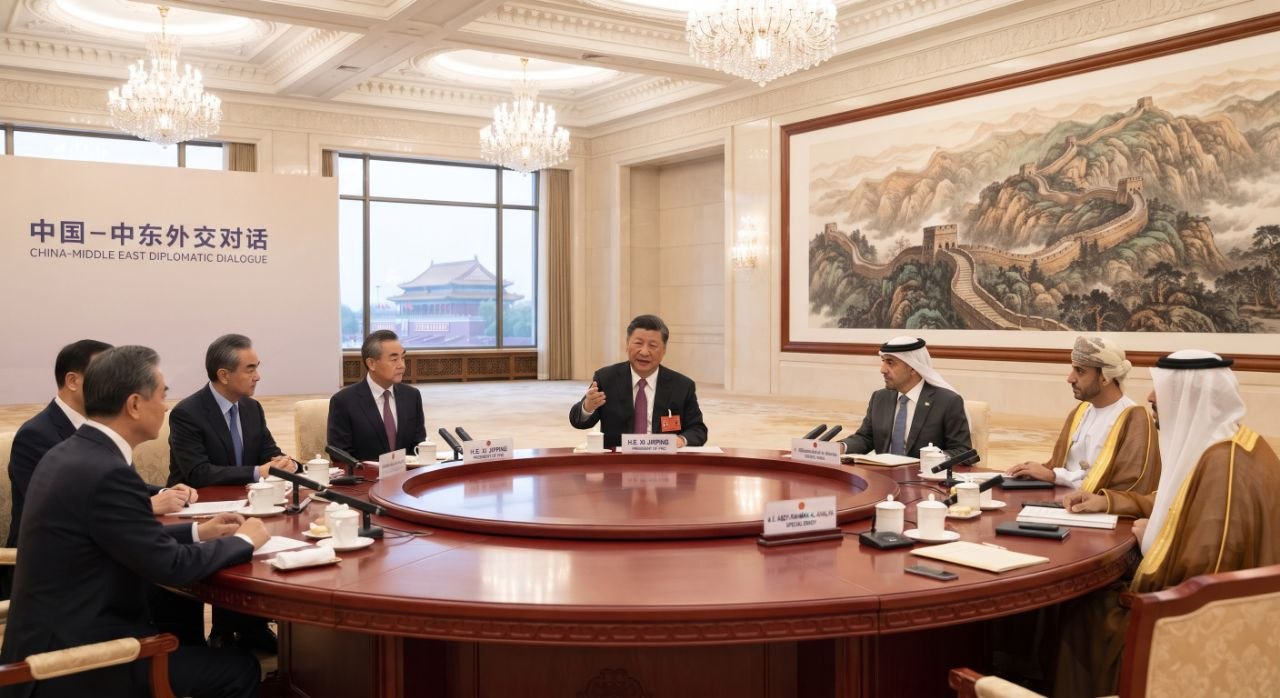
Chinese President Xi Jinping and Foreign Minister Wang Yi hosted separate, high-level discussions in the Chinese capital. Notably, President Xi welcomed Oman’s Sultan Haitham bin Tariq to the Great Hall of the People. The visit marked the first time an Omani head of state has traveled to Beijing for a state visit since the two nations established diplomatic relations 48 years ago.
In addition to the Omani delegation, Wang Yi met with Ali Bagheri Kani, the deputy secretary of Iran’s Supreme National Security Council, alongside regional counterparts from Saudi Arabia. During the discussions, Beijing reaffirmed its stance on regional sovereignty. According to official Chinese statements, Foreign Minister Wang told Iranian officials that Beijing firmly supports Tehran in safeguarding its own sovereignty and security.
Upcoming Shuttle Diplomacy and Regional Stakes
As part of its intensified efforts to break the diplomatic impasse, the Chinese Foreign Ministry announced that a special Middle East envoy will be dispatched later this month to Iran, Oman, and Saudi Arabia. These shuttle diplomacy visits are aimed at promoting peace talks and easing escalating tensions.
As Iran’s largest trading partner and the biggest consumer of Iranian crude oil, China maintains deep economic ties with Tehran. While Beijing’s diplomatic intervention had previously slowed amid alternative oil sourcing and strategic reserves, these new high-level meetings underscore China’s desire to secure a prominent role in shaping the diplomatic future of West Asia as renewed conflict looms.