
Optogenetic Therapy Shows Vision Restoration in Blind Patients
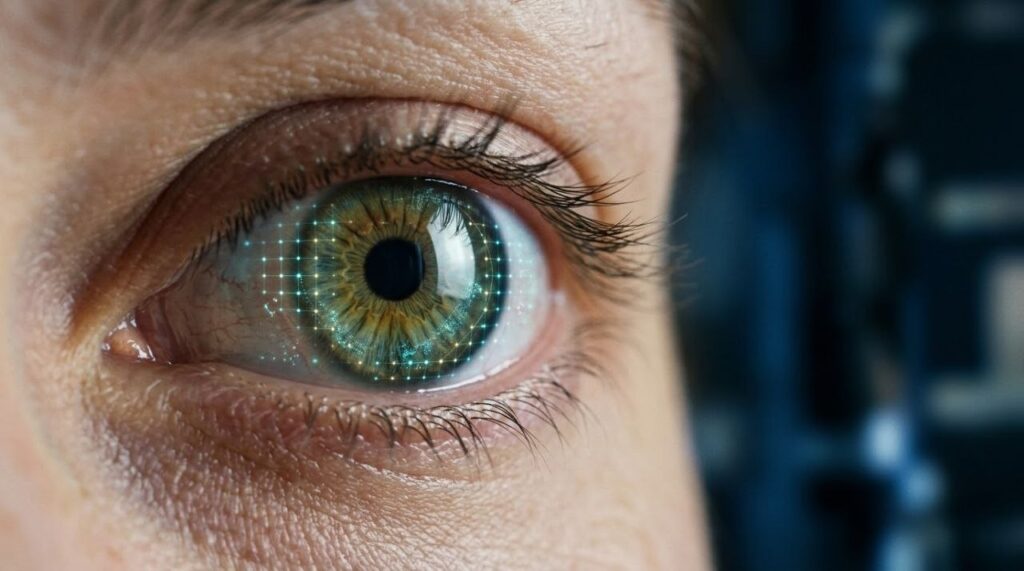
Recent clinical findings published in the New England Journal of Medicine indicate that an experimental optogenetic treatment has been safely administered to patients with advanced retinitis pigmentosa, yielding encouraging signs of visual function recovery. The international study, led by scientists at the University of Pittsburgh School of Medicine, marks a significant step forward in treating inherited forms of blindness.
Retinitis pigmentosa is a group of rare genetic disorders that break down cells in the retina, leading to severe vision loss and legal blindness. Traditional gene therapies often target specific genetic mutations early in the disease progression, but optogenetic therapy aims to be disease-agnostic by making surviving retinal cells light-sensitive.
Promising Clinical Trial Results and Safety Profile
In the early-stage trial involving 10 legally blind participants with advanced retinitis pigmentosa, researchers evaluated the safety and efficacy of the experimental treatment. Results demonstrated that the therapy was safely administered, with most eye-related side effects classified as mild or moderate. These temporary side effects included mild inflammation and short-lived increases in intraocular pressure.
When used in combination with specialized stimulation devices, the experimental treatment improved visual function in participating individuals who previously had little to no remaining sight. Concurrently, other biotechnology firms are reporting encouraging interim data in this field; for instance, Restore Vision Inc. presented interim Phase 1/2 clinical trial results for its own GPCR-based optogenetic gene therapy, RV-001, at recent medical summits, tracking patient outcomes out to 168 days with a favorable safety profile.
Broader Implications and Future Outlook
The advancement of optogenetic technology coincides with broader scientific recognition of the field. The foundational discoveries that made optogenetic therapies possible were honored with the Nobel Prize in Physiology or Medicine, awarded to Karl Deisseroth, Peter Hegemann, and Georg Nagel for their discovery of light-sensitive channelrhodopsin proteins.
As researchers continue to evaluate long-term durability and advance mid-stage clinical evaluations—such as ongoing trials examining similar optogenetic approaches in geographic atrophy and macular degeneration—the scientific community remains optimistic. If subsequent larger trials prove successful, these innovative interventions could eventually establish a new standard of care for millions of patients blinded by retinal degenerative diseases.