
Ebola Outbreak in DR Congo Death Toll Surpasses 4,000
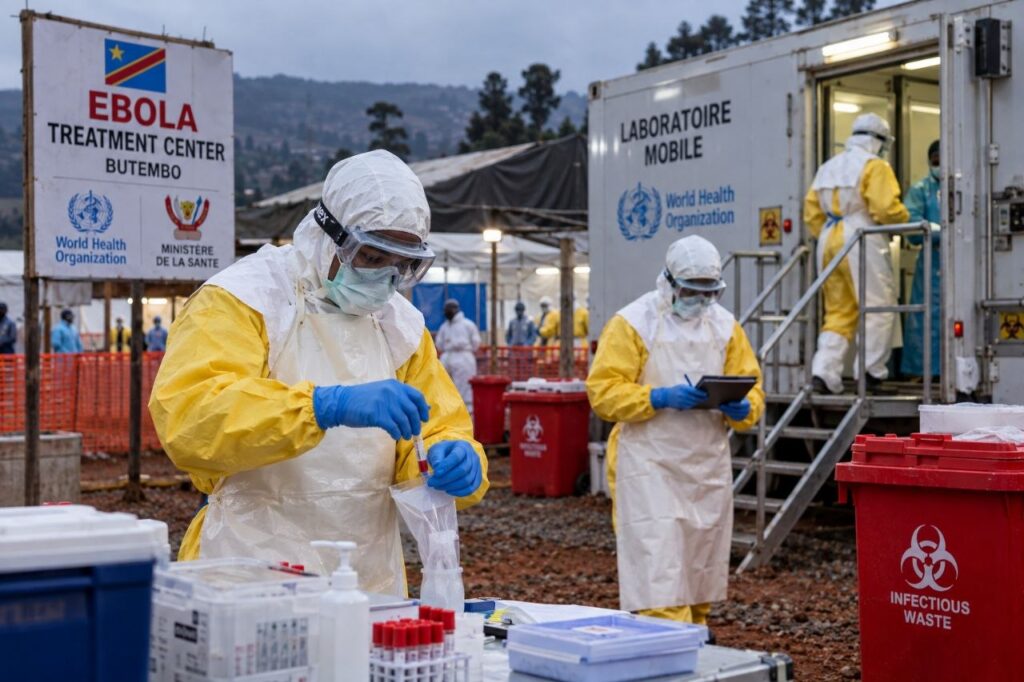
The severe Ebola outbreak DR Congo health officials are battling has surpassed 4,000 deaths, marking the largest and most destructive epidemic of the disease in the country’s history. Driven primarily by the Bundibugyo virus strain, the health crisis has expanded rapidly across multiple provinces, with medical humanitarian groups warning that transmission is spreading intensely through regions like North Kivu.
Escalating Crisis and Expanding Hotspots
Since the outbreak was first detected in May 2026, the virus has surged across eastern regions of the Democratic Republic of the Congo. According to data from international health organizations and government reports, the epidemic has touched dozens of health zones across seven provinces, including Ituri, North Kivu, South Kivu, Haut-Uélé, Bas-Uélé, Tshopo, and Sud-Ubangi.
Medical aid organizations, including Médecins Sans Frontières (MSF), have described the rapid acceleration of cases in North Kivu as spreading like a “megafire” or “wildfire.” As new hotspots multiply, humanitarian agencies report that local health infrastructure is facing overwhelming pressure. Ongoing security challenges, civilian displacement, difficult terrain, and community population movements continue to severely complicate containment efforts.
International Response and Medical Challenges
The current emergency represents the seventeenth recorded Ebola outbreak in the DRC and the second documented instance of the Bundibugyo virus strain within the nation. The World Health Organization (WHO) and the DRC Ministry of Health have issued temporary recommendations emphasizing coordinated cross-border collaboration, enhanced surveillance, and rapid case recognition to mitigate further regional transmission.
Despite these measures, treatment capacity remains stretched thin. Incidents such as the recent burning of an Ebola-hit transit camp—which caused thousands of residents to flee—highlight the immense difficulties medical teams face in gaining community trust and maintaining stable operations. Health authorities and international partners are urgently mobilizing technical and financial resources to expand treatment centers, deploy mobile laboratories, and ensure safe access to care in hard-hit cities such as Butembo, Goma, and surrounding areas.